

by Leon Ashcombe
Share
by Leon Ashcombe
Share
Investing for the first time can be challenging. Most newbies choose only stocks, while advanced traders know that creating a strong portfolio begins with efficient asset allocation. This is a strategy where users can divide their investments across multiple asset classes, such as stocks, cash, and bonds. It helps reduce risk and improve long-term growth potential.
In this article, we will delve into the important aspects of asset allocation, including why it’s important, factors affecting asset allocation, strategies, and more. So, dive right in!
What is Asset Allocation?
This is a method where you spread your investment across different financial instruments. Each of these assets behaves differently in different market conditions. Asset allocation helps form a balance between risk, return, stability, and growth.
For example, an investor may choose:
- 60% Stocks
- 30% Bonds
- 10% Cash
This is what is called an investment portfolio allocation.
A proper portfolio can help safeguard your investments during market emergencies while supporting long-term growth.
Why is Asset Allocation Important?
Asset allocation becomes crucial because most markets are quite unpredictable. No single asset performs well in all market conditions. Portfolio diversification helps lower overall investment risk, boost portfolio stability, protect against market volatility, and promote long-term financial goals. When one asset class underperforms, the other may rise. This balance helps prevent massive losses.
Understanding the Main Asset Classes
Before forming a portfolio, it is important to have clarity about the main asset classes.
Stocks
This asset represents shares of ownership in a company. Stocks are considered growth investments because they help earn huge profits over time.
Benefits
- Long-term profit potential
- Dividend income opportunities
- Inflation protection
Risks
- Market volatility
- Short-term price fluctuations
Bonds
These are fixed-income investments where investors lend money to governments or companies in exchange for interest payments.
Benefits
- Lower risk compared to stocks
- Stable income
- Portfolio diversification
Risks
- Lower overall returns
- Interest rate sensitivity
- Inflation impact
Bonds are often used to reduce portfolio volatility.
Cash and Cash Equivalents
These include treasury bills, savings accounts, and money market funds.
Benefits
- Low risk
- High liquidity
- Easy access to funds
Risks
- Minimal returns
- Reduces purchasing power during inflations
Cash is best for short-term goals and emergency savings.
Alternative Investments
Some traders diversify their portfolio by adding alternative assets. These include Real estate, Gold, Commodities, and Cryptocurrency.
Factors that Affect Asset Allocation
Several factors affect asset allocation.
Investment Goals
Investors with long-term goals invest in stocks, while those with short-term goals invest in bonds or cash.
Time Horizon
There are longer time horizons and shorter time horizons.
Risk Tolerance
This measures how comfortable you are with market fluctuations. Some can tolerate large market swings while others prefer stability.
Age and Life Stage
Age influences investment strategy. Young investors prefer stocks, while old investors choose bonds and cash.
Major Asset Allocation Strategies
Depending on their goals, traders and investors use different asset allocation strategies.
Strategic Asset Allocation
It is about setting a target allocation and maintaining it over time.
Example:
- 70% Stocks
- 20% Bonds
- 10% Cash
Dynamic Asset Allocation
It allows users to adjust their portfolios according to economic trends or market conditions. This method requires active engagement.
Age-Based Asset Allocation
A common beginner rule is to subtract your age from 100 to calculate your stock allocation.
For example:
- A 40-year-old may hold 60% stocks
- A 70-year-old may hold 30% stocks
Sample Portfolios for Beginners
Here are examples of beginner-friendly portfolios:
Conservative Portfolio
- 40% Stocks
- 50% Bonds
- 10% Cash
Ideal for lower-risk investors.
Balanced Portfolio
- 60% Stocks
- 30% Bonds
- 10% Cash
Ensures a balance between growth and stability.
Growth Portfolio
- 80% Stocks
- 15% Bonds
- 5% Cash
Best for long-term investors seeking higher returns.
The Significance of Rebalancing
Your original portfolio allocation may alter as markets move. That is, if the stock price goes up, they may become a larger percentage of your portfolio than intended. Rebalancing is a process whereby you adjust your investments back to your target allocation.
The benefits of rebalancing include maintaining the desired risk level, keeping the investment strategy consistent, and preventing overexposure to a single asset. Many traders rebalance annually or semi-annually.
Asset Allocation vs Diversification
Asset allocation and asset diversification are often confused. However, they are quite different.
Asset allocation is spreading money across different asset classes. Diversification means spreading investments within each asset class. Both these strategies work together to reduce risks in trading.
Conclusion
Asset allocation is crucial in investing because it helps new traders build balanced portfolios that align with their goals, risk tolerance, and timeline. It is better to focus on creating a diversified portfolio with the proper mix of assets rather than trying to predict the market or choose winning stocks. A simple and disciplined asset allocation strategy can help you tackle risks, remain invested during market fluctuations, and build long-term wealth over time.
STAY IN THE LOOP
Subscribe to our free newsletter.
Leave A Comment

In trading, volume is an important indicator, but many traders focus on price movements instead. Though price indicates where the market is moving, volume shows the strength behind that movement. With proper analysis of trade volume, traders can have clarity about market sentiment, confirm trends, and spot potential reversals. Understanding volume analysis can help make

The way people send, receive, and store digital assets has completely changed with the introduction of blockchain technology. Whether you are trading NFTs, transferring cryptocurrency, or using decentralized applications (dApps), you might have come across the term “gas fees.” Many novice traders are surprised to know that blockchain transactions are not free. Having clarity about

Many traders focus on price movements and market trends while trading stocks, cryptocurrencies, or other financial assets. However, one important aspect that often goes unnoticed is the bid-ask spread. Gaining clarity about the bid-ask spread can help you reduce costs, make smarter trading decisions, and enhance your overall trading experience. In this article, we will
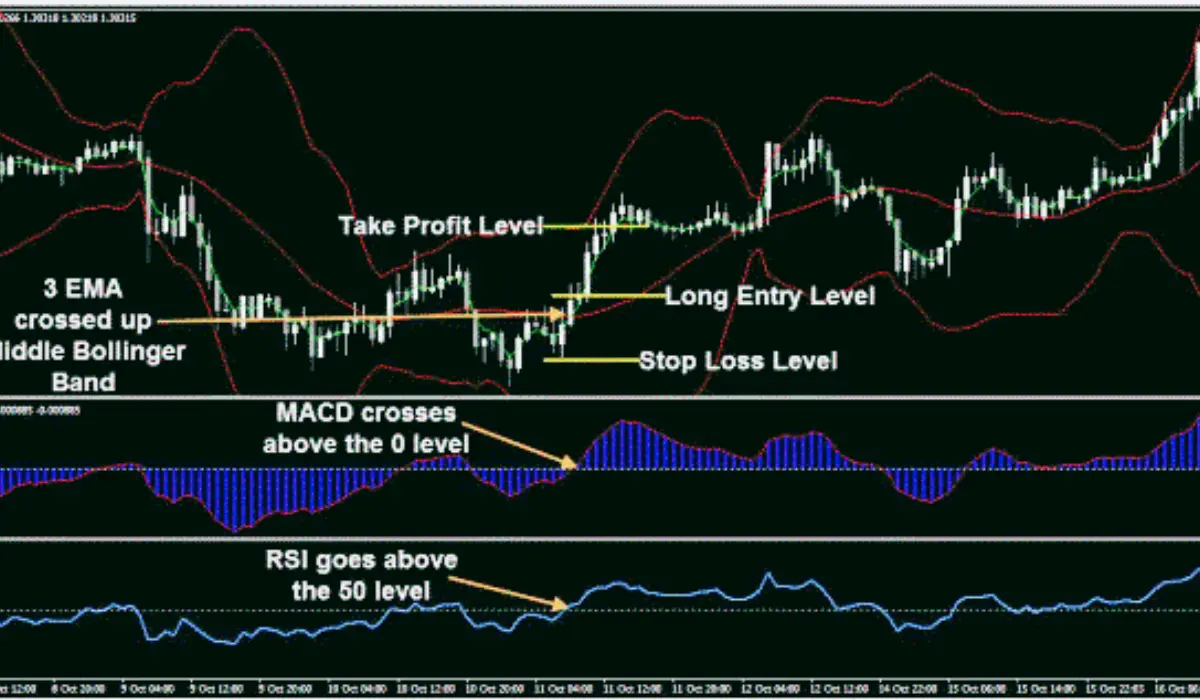
Technical analysis is important in understanding market movements and making wise trading decisions. The most widely used technical analysis tools are the Relative Strength Index (RSI), the Moving Average Convergence Divergence (MACD), and Bollinger Bands. They help traders spot trends, momentum, and potential entry and exit points in the market. In this article, we will