
by Leon Ashcombe
Share
by Leon Ashcombe
Share
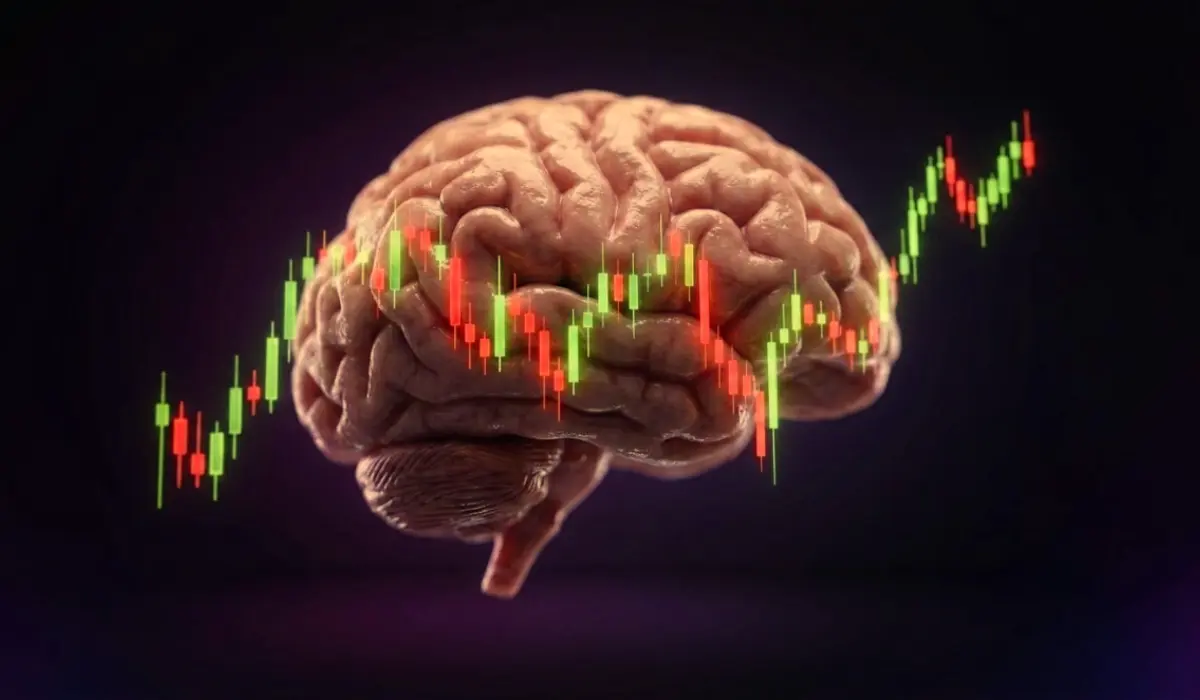
Profitable trading is not just about charts, indicators, and market analysis. One of the major factors that most people ignore but is crucial is trading psychology. Emotions have a huge influence on trading decisions, often leading traders to make big mistakes and lose large amounts. The most common emotions that affect traders are greed, fear, and FOMO (Fear of Missing Out). Understanding these problems and learning how to manage them can help users make smart decisions and improve performance over the long term.
What is Trading Psychology?
In simple terms, trading psychology means the emotional and mental state that influences a trader’s decisions in financial markets. It includes beliefs, feelings, reactions, and habits that affect buying and selling decisions.
Even advanced traders will struggle in different markets if they cannot control their emotions. Most markets are unpredictable, and emotional responses often lead to impulsive decisions that increase risk and reduce profitability.
Just as having a strong strategy, it is important to build strong psychological discipline.
Understanding Greed in Trading
This is the desire to earn huge amounts of money, often beyond realistic expectations. Though the goal of trading is to earn money, greed can lead to taking unnecessary risks. Some common signs of greed include:
- Holding winning trades for too long, expecting larger profits
- Neglecting exit strategies
- Increasing position sizes without necessary risk management
- Opening trades without proper market analysis
How Greed Affects Trading Performance?
Greed leads to poor risk management and overtrading. Traders ignore capital protection and focus on increasing profits. Over time, this can result in massive losses and inconsistent performance.
How to Control Greed?
- Before entering a trade, set profit targets
- Follow a predetermined trading plan
- Utilize stop-loss and take-profit orders
- Focus on consistency rather than profits
- Understand that no trader can spot all market moves
Understanding Fear in Trading
The next emotion that can adversely affect trading decisions is fear. This happens when traders make mistakes or are afraid of losing money. Though caution is necessary, excessive fear can prevent traders from utilizing potential trading opportunities.
Common Signs of Fear
- Not entering trades even if the setup is strong
- Closing profitable trades too early
- Not trading after experiencing losses
- Always second-guessing decisions
How Fear Affects Trading Decisions?
It can cause inconsistency and reduce confidence. Traders may neglect their strategies and become overly cautious, resulting in missed opportunities and reduced profitability.
How to Control Fear?
- Use proper position sizing
- Invest an amount that you can afford to lose
- Keep realistic expectations
- Check historical trading performance to boost confidence
- Understand that losses are a normal part of trading
What is FOMO in Trading?
Fear of Missing Out, or FOMO, happens when traders feel pressured to enter a trade because of the feeling of missing a potential opportunity. This is common in fast-moving markets like crypto, where prices rise sharply for a short time.
Common Signs of FOMO
- Opening trades after major price movements
- Buying assets simply because others are buying
- Ignoring trading rules in pursuit of profits
- Always monitoring social media for trading ideas
FOMO is dangerous because traders often lose logic and discipline, which are crucial in trading. They make decisions based on market hype and excitement. This can result in poor entry points, emotional stress, and increased risk.
How to Avoid FOMO
- Make sure to follow a written trading strategy
- Enter trades only after seeing confirmed setups
- Do not chase sudden price hikes
- Reduce exposure to social media hype and market rumors
- Remember that new opportunities come up every day
The Connection Between Greed, Fear, and FOMO
Greed, fear, and FOMO are connected to each other. A trader becomes greedy after experiencing a successful trade, fearful after losing, and FOMO when seeing others profit from market movements. These emotions form a cycle.
- A trader gains profits and becomes greedy
- Greed results in excessive risk-taking
- Losses cause fear
- Fear leads to hesitation
- Missed opportunities lead to FOMO
- FOMO leads to impulsive trading
To break this cycle, you should build discipline and a structured approach.
Tips to Improve Trading Psychology
Time is required to develop a strong mindset. Some tips are given below that can help you:
- Create a detailed trading plan with clear rules for entries, exits, and risk management.
- Maintain a trading journal to track emotional patterns and recurring mistakes.
- Focus on risk management to reduce stress and boost confidence.
- Take breaks from trading whenever required.
- Focus on long-term consistency rather than short-term results.
Conclusion
Trading psychology plays a major role in trading success. Greed can lead ot excessive risk-taking, fear can prevent traders from utilizing potential opportunities, and FOMO can lead to impulsive decisions. Understanding these emotions is the first step to controlling them. By following a well-organized trading plan, keeping a trading journal, focusing on risk management, taking breaks when necessary, and focusing on long-term consistency, traders can reduce emotional errors and make informed decisions. So, in the long run, mastering your mindset is as important as mastering the market.
STAY IN THE LOOP
Subscribe to our free newsletter.
Leave A Comment
In trading, volume is an important indicator, but many traders focus on price movements instead. Though price indicates where the market is moving, volume shows the strength behind that movement. With proper analysis of trade volume, traders can have clarity about market sentiment, confirm trends, and spot potential reversals. Understanding volume analysis can help make
The way people send, receive, and store digital assets has completely changed with the introduction of blockchain technology. Whether you are trading NFTs, transferring cryptocurrency, or using decentralized applications (dApps), you might have come across the term “gas fees.” Many novice traders are surprised to know that blockchain transactions are not free. Having clarity about
Many traders focus on price movements and market trends while trading stocks, cryptocurrencies, or other financial assets. However, one important aspect that often goes unnoticed is the bid-ask spread. Gaining clarity about the bid-ask spread can help you reduce costs, make smarter trading decisions, and enhance your overall trading experience. In this article, we will
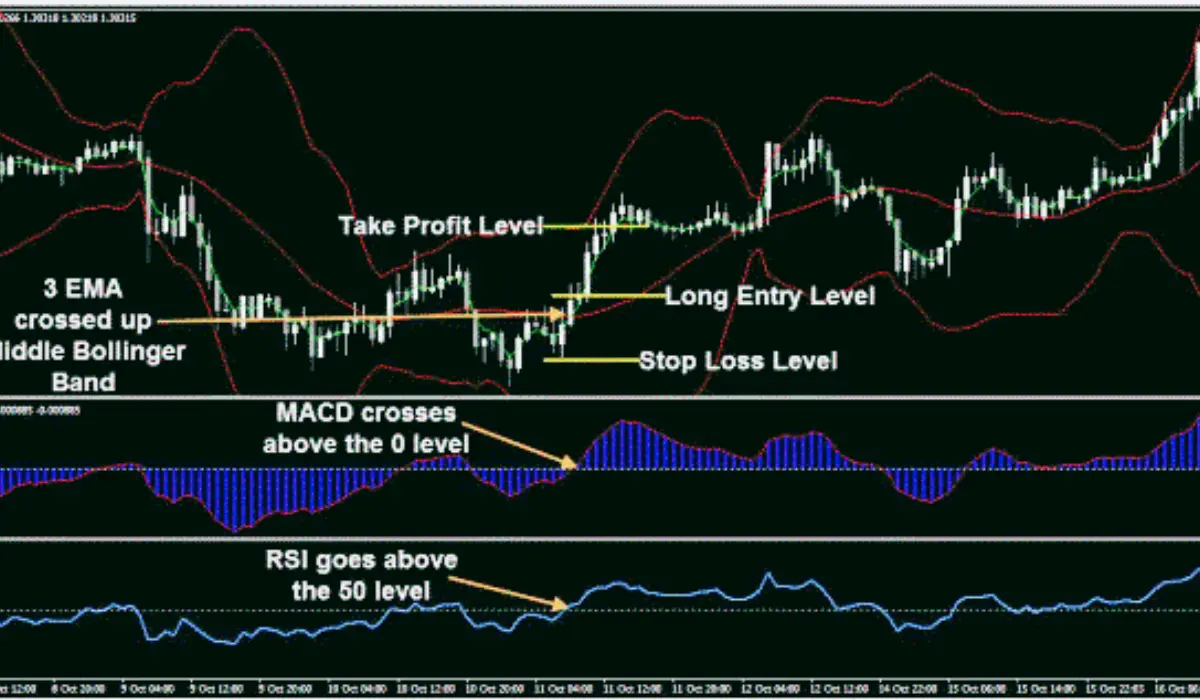
Technical analysis is important in understanding market movements and making wise trading decisions. The most widely used technical analysis tools are the Relative Strength Index (RSI), the Moving Average Convergence Divergence (MACD), and Bollinger Bands. They help traders spot trends, momentum, and potential entry and exit points in the market. In this article, we will