
by Leon Ashcombe
Share
by Leon Ashcombe
Share
The way people send, receive, and store digital assets has completely changed with the introduction of blockchain technology. Whether you are trading NFTs, transferring cryptocurrency, or using decentralized applications (dApps), you might have come across the term “gas fees.” Many novice traders are surprised to know that blockchain transactions are not free. Having clarity about blockchain is important for anyone utilizing blockchain networks. This is a detailed guide covering all crucial aspects of gas fees. So, dive right in.
What are Gas Fees?
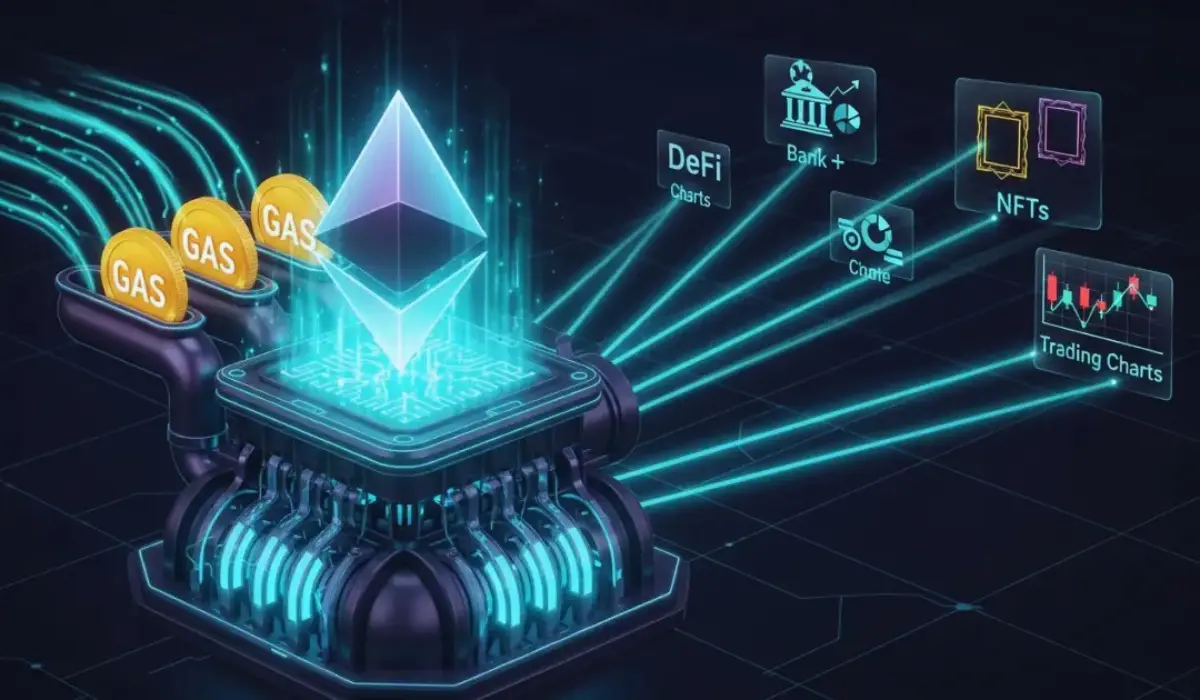
Gas fees are charges paid by people when using a blockchain network. This is the amount given to network participants who process and validate transactions. In simple terms, it is a service charge for using blockchain.
Each time you execute a smart contract, send cryptocurrency, or use decentralized applications, there are many computers on the network that operate to verify and store that action. Gas fees are the reward for these computers for their efforts.
The fee structure of different blockchain networks is different. However, the purpose is the same: to keep the network functioning efficiently and smoothly.
Why Do Blockchain Transactions Cost Money?
Blockchains function through decentralized networks of miners or validators, unlike traditional payment systems handled by banks or companies. These participants utilize electricity, computing resources, and infrastructure to keep the network running. Gas fees serve several purposes:
1. Rewarding miners and validators
It is the duty of validators and miners to process transactions and record them on the blockchain. These participants won’t have any reason to provide resources to the network without receiving any incentive. Gas fees are the reward, and it helps maintain blockchain security.
2. Preventing network scams
In case blockchain transactions were free, bad actors could flood the network with millions of unwanted transactions. This could delay or disrupt operations. Gas fees form a cost barrier that helps prevent spam and malicious activity.
3. Managing network demand
The capacity of blockchain networks is limited. When many transactions are to be made, the competition for space goes up. Higher gas fees prioritize urgent transactions and process them first.
How Gas Fees Work?
Computational effort is necessary for every blockchain transaction. How much gas is required is decided by measuring the amount of work. Simple transactions like sending cryptocurrency from one wallet to another need less gas. Complex activities like executing smart contracts or using the decentralized finance protocols require high computational power and, hence, higher fees.
Basically, when people request a transaction, they have to pay a fee. The blockchain network then processes transactions based on the fee offered and the existing network conditions.
Factors That Affect Gas Fees
Gas fees are not fixed. Here are factors that affect gas fees:
Network Congestion
When many users are on the network at the same time, the fees go up.
Transaction Complexity
A simple cryptocurrency transaction costs much less than executing smart contracts or engaging with decentralized finance protocols.
Blockchain Network
Different networks have different fees depending on design, scalability, and transaction fees.
User Priority
Several blockchain networks process transactions quickly when users pay high fees.
Gas Fees on Popular Blockchain Networks
The gas fees on different blockchain networks are different.
Ethereum
It is one of the most widely used blockchain platforms. Its network demand can go very high because it supports thousands of decentralized applications. This is why Ethereum gas fees can fluctuate significantly.
Binance Smart Chain
In comparison to the Ethereum blockchain, Binance Smart Chain has lower transaction costs.
Solana
It is well known for lower costs and quick transactions.
Polygon
It offers a scaling solution that allows users to pay lower fees while maintaining compatibility with Ethereum-based applications.
How to Reduce Gas Fees?
There are various ways to reduce gas fees.
- Choose off-peak times
- Utilize layer-2 solutions
- Select lower cost networks
- Monitor fee trackers
- Combine transactions
Are High Gas Fees Bad for Blockchain Adoption?
High gas fees pose challenges to blockchain adoption, especially for small investors and new users. When transaction costs rise, many users hesitate to engage with decentralized finance, NFT marketplaces, or other blockchain services.
That being said, rising fees suggest strong network demand. To overcome these difficulties, developers are building scaling solutions, enhancing blockchain infrastructure, and introducing more efficient consensus mechanisms.
With the evolution of blockchain technology, many networks are working toward improving scalability while keeping transaction fees affordable.
Final Thoughts
Gas fees play an important role in blockchain technology. They serve several purposes, such as compensating validators and miners, protecting networks from spam, and helping manage transaction demand. The amount people pay depends on network congestion, the blockchain used, and transaction complexity.
Though gas fees might seem confusing, understanding how they work can help make better decisions and reduce costs. With the evolution of blockchain technology, users can expect more efficient networks that process transactions quickly and ensure affordability.
STAY IN THE LOOP
Subscribe to our free newsletter.
Leave A Comment
In trading, volume is an important indicator, but many traders focus on price movements instead. Though price indicates where the market is moving, volume shows the strength behind that movement. With proper analysis of trade volume, traders can have clarity about market sentiment, confirm trends, and spot potential reversals. Understanding volume analysis can help make
Many traders focus on price movements and market trends while trading stocks, cryptocurrencies, or other financial assets. However, one important aspect that often goes unnoticed is the bid-ask spread. Gaining clarity about the bid-ask spread can help you reduce costs, make smarter trading decisions, and enhance your overall trading experience. In this article, we will
Technical analysis is important in understanding market movements and making wise trading decisions. The most widely used technical analysis tools are the Relative Strength Index (RSI), the Moving Average Convergence Divergence (MACD), and Bollinger Bands. They help traders spot trends, momentum, and potential entry and exit points in the market. In this article, we will
Profitable trading is not just about charts, indicators, and market analysis. One of the major factors that most people ignore but is crucial is trading psychology. Emotions have a huge influence on trading decisions, often leading traders to make big mistakes and lose large amounts. The most common emotions that affect traders are greed, fear,