
by Leon Ashcombe
Share
by Leon Ashcombe
Share
In trading, volume is an important indicator, but many traders focus on price movements instead. Though price indicates where the market is moving, volume shows the strength behind that movement. With proper analysis of trade volume, traders can have clarity about market sentiment, confirm trends, and spot potential reversals.
Understanding volume analysis can help make informed decisions and lower the risk reward ratio of false signals. Keep reading to learn what exactly volume is, important volume indicators, the best practices for using volume analysis, and much more.
What is Volume in Trading?
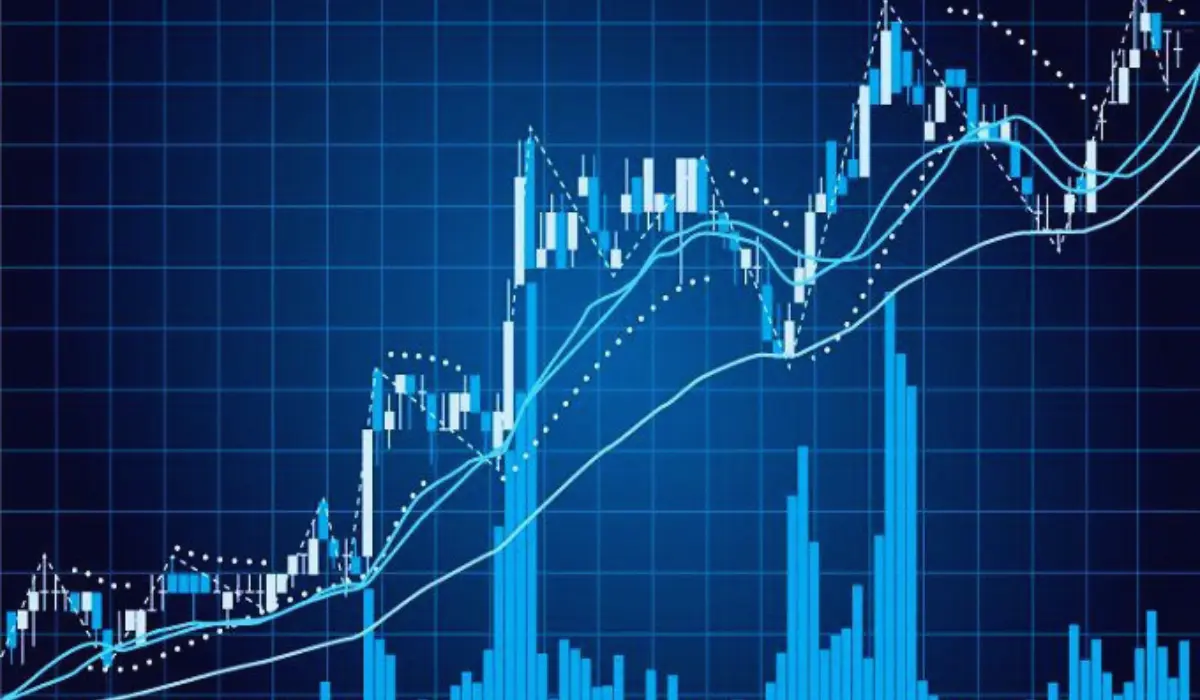
This refers to the total number of units, shares, or contracts traded during a specific period. It measures the level of market participation and activity. To be specific, if one million shares are bought and sold during a trading day, the share’s daily volume is one million. Below the price chart, you can see volume displayed in vertical bars. Increased trading activity is evident from higher bars, while lower bars suggest lower market participation.
Why is Volume Important in Trading?
Volume is important because it offers insights into the strength and reliability of price movements. A price move backed by high volume is more reliable than one with low volume. The participation of many traders in a market move suggests stronger conviction. At the same time, low-volume price movements lack support and are subject to quick reversals. So, this is why professionals use volume along with technical indicators and charts to confirm trading signals.
How Volume Confirms Market Trends?
The main purpose of volume analysis is to confirm trends.
Uptrend Confirmation
An increase in price and volume suggests a strong buying interest among traders. This suggests that the uptrend is supported by market participants and will continue.
Downtrend Confirmation
When prices fall and volume increases, it suggests strong selling pressure. It indicates the strength of the downward trend.
Weak Trends
During a volume decrease, when prices move higher or lower, it indicates a weak trend. Lower market participation suggests that momentum is fading.
Identifying Trend Reversals with Volume
Volume analysis also helps spot trend reversals even before they appear on charts. For example, if a stock reaches a new high but volume starts to reduce, fewer buyers may be supporting the move. This signals that the trend is losing strength.
Similarly, during a prolonged decline, a sudden rise in volume might suggest that sellers are exiting positions and buyers are stepping in, leading to a reversal. Though volume alone does not guarantee a reversal, it offers valuable insights into changing market sentiment.
Volume and Breakout Trading
Breakouts happen when the price goes beyond a main support or resistance level. Volume helps determine if a breakout is genuine.
Strong Breakouts
A breakout, along with high volume, points to strong market participation. This suggests that the breakout will continue in the new direction.
False Breakouts
When a breakout occurs on low volume, it may lack conviction. Such moves may fail and return to the previous trading range. This is exactly why many traders wait for volume confirmation before entering breakout trades to avoid false signals.
Understanding Volume Spikes
The term volume spike is used to refer to a sudden and major rise in trading activity. They occur due to earnings reports, important news announcements, economic data releases, shifts in market sentiment, and institutional buying and selling. Such spikes can point to a strong trend, increased volatility, or a significant change in price direction. So, traders pay attention to unusual volume because it often reveals opportunities even before price movements occur.
Popular Volume Indicators
The following are the most popular volume indicators:
- On-balance volume (OBV)
- Volume weighted average price (VWAP)
- Accumulation or distribution line
When analysing market conditions, these tools can offer additional confirmation.
Common Errors in Volume Analysis
- Depending on volume, without considering price action
- Neglecting broader market conditions
- Thinking every volume spike points to a trading opportunity
- Overlooking volume trends across multiple timeframes
Professional traders consider volume as part of a broader trading strategy rather than using it as a standalone indicator.
Best Practices for Using Volume Analysis
- Combine volume with support and resistance levels
- Pay close attention to unusual volume activity
- Utilize volume to confirm breakouts and trend strength
- Compare existing volume with historical averages
- Examine volume across multiple timeframes
These practices can help traders make wise decisions and boost overall market analysis.
Conclusion
Volume analysis helps traders understand the actual strength behind market movements. It offers important insights into trend confirmation, breakout reliability, potential reversals, and overall market sentiment. Traders can combine volume data with price action and other indicators to gain more clarity about market behaviour and make informed decisions. Whether you are a novice trader or an expert, learning to examine volume effectively can help improve your trading strategy and enhance your ability to spot high-probability market opportunities.
STAY IN THE LOOP
Subscribe to our free newsletter.
Leave A Comment

The way people send, receive, and store digital assets has completely changed with the introduction of blockchain technology. Whether you are trading NFTs, transferring cryptocurrency, or using decentralized applications (dApps), you might have come across the term “gas fees.” Many novice traders are surprised to know that blockchain transactions are not free. Having clarity about

Many traders focus on price movements and market trends while trading stocks, cryptocurrencies, or other financial assets. However, one important aspect that often goes unnoticed is the bid-ask spread. Gaining clarity about the bid-ask spread can help you reduce costs, make smarter trading decisions, and enhance your overall trading experience. In this article, we will
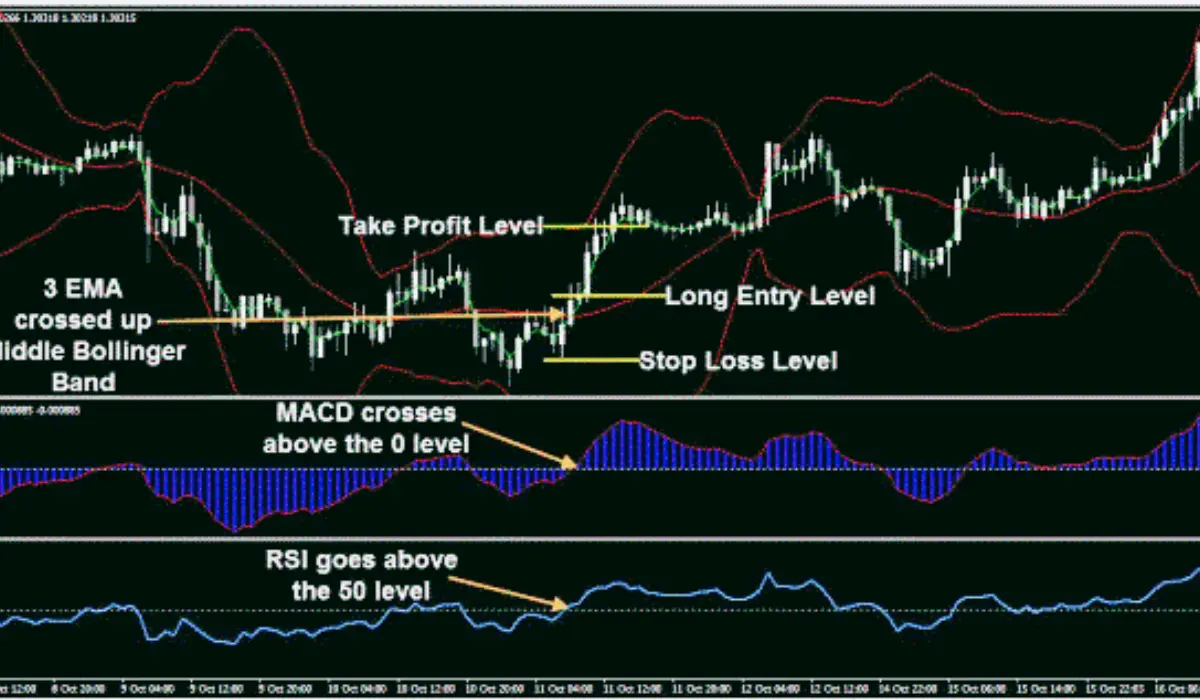
Technical analysis is important in understanding market movements and making wise trading decisions. The most widely used technical analysis tools are the Relative Strength Index (RSI), the Moving Average Convergence Divergence (MACD), and Bollinger Bands. They help traders spot trends, momentum, and potential entry and exit points in the market. In this article, we will

Profitable trading is not just about charts, indicators, and market analysis. One of the major factors that most people ignore but is crucial is trading psychology. Emotions have a huge influence on trading decisions, often leading traders to make big mistakes and lose large amounts. The most common emotions that affect traders are greed, fear,