

Though trading offers several profitable opportunities, it involves risk. Most traders look for the right strategy, market setup, or indicator while ignoring the most important aspect, risk management. In reality, the reason behind the success of experienced traders is effective risk management, not winning every trade.
Risk management helps protect capital, eliminate emotional decision-making, and maintain consistency over the long term. For success in cryptocurrency, stocks, commodities, or any other asset trading, it is important to practice proper risk management. In this article, let us go through the risk management rules every trader must follow.
Why is Risk Management Important?
Since markets are fast-moving and unpredictable, every trade carries uncertainty. Even the best setup can fail due to economic events, unexpected market movements, or changes in investor sentiment. Without effective risk management, a few losing trades can wipe out weeks, months, or even years of profits. Through proper risk management, users can:
- Protect trading capital
- Reduce massive losses
- Eliminate emotional decision-making
- Boost long-term profitability
- Remain in the market during uncertain conditions
The purpose of risk management is not to boost profits but to safeguard investments so that you can continue trading.
Major Risk Management Rules
1. Never Risk More than You Can Afford to Lose
One of the most important rules in online trading is to only invest an amount that you can afford to lose. This is because risks are inherent in the trading process and profits are ot guaranteed. As a result, users can maintain discipline and avoid financial stress.
2. Follow the 1% to 2% Risk Rule
Professional traders risk only 1% or 2% of their total capital per trade to prevent significant account drawdowns and withstand a series of losing trades that do not affect their capital.
3. Always Use a Stop Loss Order
By setting a stop-loss order, a trade is automatically closed when it reaches a predetermined level. The main benefits include limiting losses, eliminating emotional decision-making, protecting capital, and improving discipline. What a stop-loss does is create a clear exit strategy before entering a trade.
4. Maintain a Favorable Risk-Reward Ratio
Maintaining a favorable risk-reward ratio helps traders stay profitable even when they do not succeed in every trade. This is because winning positions offer far more gains than losing positions. Most experienced traders set a risk-reward ratio of 1:2 or higher before entering a trade.
5. Diversify Your Trading Exposure
When you invest all your money in a single asset, the risk exposure is high. With diversification, you can spread risks across different financial instruments. As a result, traders can lower the effect of a single losing trade on the overall portfolio. Users can trade multiple currency pairs, invest in different stock sectors, combine stocks, indices, and commodities, and avoid overexposure to a single market event.
6. Control Leverage Carefully
With leverage, users can control larger positions with smaller amounts of capital. Though leverage can boost profits, it can increase losses as well. Traders can manage it carefully by using conservative leverage levels, understanding margin requirements, avoiding oversized positions, and monitoring exposure regularly. Many traders experience massive losses not because of poor market analysis, but due to the misuse of leverage.
7. Avoid Emotional Trading
Emotions such as fear and greed can lead to overtrading, revenge trading, ignoring stop-loss levels, holding losing positions for too long, and taking profits too early. Develop a proper trading plan to avoid emotional trading. It is important to follow predefined entry, exit, and risk management rules regardless of market conditions.
8. Keep a Trading Journal
You can improve your trading performance and risk management by maintaining a trading journal. Record important aspects such as entry and exit prices, position size, stop-loss placement, trade outcome, and reasons for entering the trade. By reviewing previous trades, you can spot mistakes, improve strategies, and enhance decision-making over time.
9. Learn When to Stay Out of the Market
Remember that not every market condition provides potential trading opportunities. It is important to have clarity about when to trade. Do not enter a trade when market conditions are unclear, volatility is very high, you are emotionally stressed, economic announcements create uncertainty, or your trading setup is incomplete.
Conclusion
The pillar of successful trading is proper risk management. Though strategies and market analysis are significant, the main priority should be protecting your capital. By reducing risk per trade, utilizing stop-loss levels, setting up proper risk-reward ratios, managing leverage, and avoiding emotional decisions, users can boost their chances of success in the long term.
It is crucial to understand that losses are a normal part of trading. One thing that differentiates experienced traders from beginners is not their ability to avoid losses completely, but being able to manage them effectively. Proper risk management results in consistency, capital protection, and sustainable growth in any financial market.

As the cryptocurrency market is evolving rapidly, altcoins are offering more short-term gains than Bitcoin. Right now, most investors are closely monitoring top-performing altcoins on a weekly and monthly basis to spot emerging trends and profitable investment opportunities. Factors like technological advancements, ecosystem growth, institutional adoption, and broader market sentiment cause significant price movements in

Bitcoin is the first decentralized and most popular cryptocurrencyin the world. Since its launch, it has gained the attention of businesses, investors, and technology enthusiasts across the globe. Bitcoin halving is one of the most crucial events in the Bitcoin ecosystem. It has a major role in managing Bitcoin’s supply and can influence its value
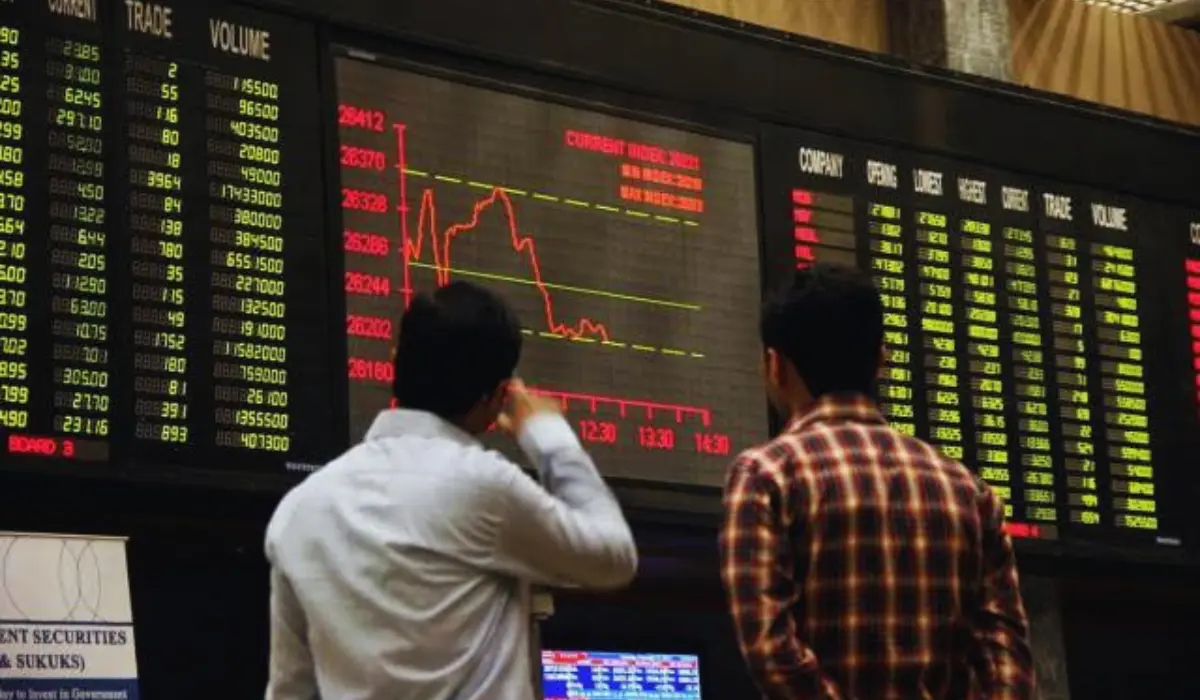
Volatility is an important aspect in trading that refers to the variation in a financial asset’s price over time. Whether you are trading cryptocurrencies, stocks, forex, commodities, or indices, it can help you make better decisions and manage risks effectively. Markets with major price swings are highly volatile, and those with smaller movements are considered
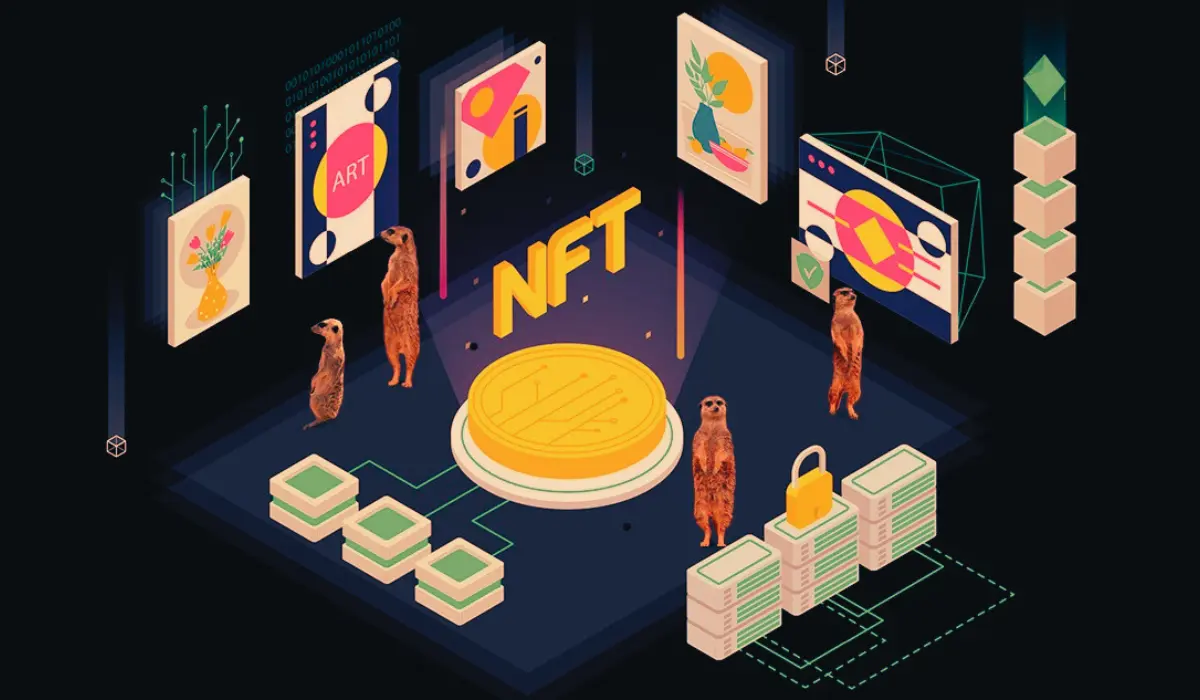
The NFT marketplace keeps evolving, offering several opportunities to collectors, investors, and creators. Non-Fungible Tokens (NFTs) have expanded to different areas, such as gaming, real estate, music, memberships, and tokenized assets. With the industry growing rapidly, it is important to choose the right marketplace and deploy effective trading strategies to achieve success. This guide will