Bitcoin is the first decentralized and most popular cryptocurrencyin the world. Since its launch, it has gained the attention of businesses, investors, and technology enthusiasts across the globe. Bitcoin halving is one of the most crucial events in the Bitcoin ecosystem. It has a major role in managing Bitcoin’s supply and can influence its value over time.
In this article, we will explore what bitcoin halving is, why it was created, how it works, why it is important, its historical impact, and more. So, dive right in.
What is Bitcoin Halving?
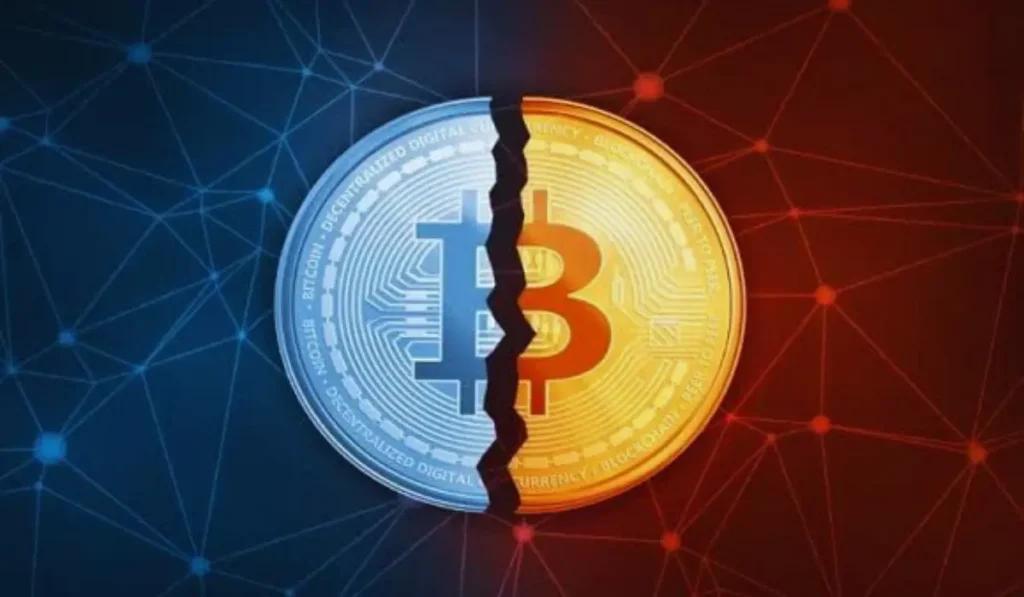
It is an important event that reduces the rewards that validators and miners receive for processing transactions and adding new blocks to the Bitcoin blockchain. The reward is reduced by half every four years, or after every 210,000 blocks are mined.
Miners earned 50 BTC per block when Bitcoin was first introduced to the financial market. The first halving happened in 2012, with the reward dropping to 25 BTC. Since then, the reward has continued to drop.
- 2009: 50 BTC per block
- 2012: 25 BTC per block
- 2016: 12.5 BTC per block
- 2020: 6.25 BTC per block
- 2024: 3.125 BTC per block
This process will keep going till all 21 million Bitcoins are mined.
Why was Bitcoin Halving Created?
Bitcoin halving was created by Bitcoin’s creator, Satoshi Nakamoto, to control inflation and maintain scarcity. Bitcoin has a fixed maximum supply of 21 million coins, unlike traditional currencies, which governments can print in unlimited quantities.
Through halving, the rate at which new Bitcoins enter circulation can be reduced, thereby helping preserve Bitcoin’s limited supply. This is exactly why Bitcoin is considered a digital store of value, often being compared to gold.
How Does Bitcoin Halving Work?
Bitcoin is created using a process called mining. Miners use advanced computers to solve complex mathematical problems and validate and verify transactions on the blockchain network. The miner receives a reward when they validate a block. This reward is the main way in which new Bitcoins are created.
During a halving event, the reward for mining a block is reduced by half. The Bitcoin protocol is designed to enforce this event without requiring any manual intervention. For example, if miners were receiving 25 BTC per block before halving, they would get only 12.5 BTC after the event.
Why is Bitcoin Halving Important?
1. Controls Bitcoin Supply
The main purpose of Bitcoin halving is to control supply. Since fewer bitcoins are added into circulation after each halving, the Bitcoin supply reduces over time. This helps prevent inflation and supports Bitcoin’s long-term value.
2. Creates Scarcity
Scarcity is an important economic principle. When an asset becomes difficult to obtain, even when its demand remains stable or increases, its value may go up. Bitcoin halving increases scarcity because fewer coins are introduced into circulation after each halving.
3. Influences Market Sentiment
Bitcoin halving is a major event that attracts media attention and investor interest. Many traders consider it a bullish event because it reduces the rate of new coins introduced in the market.
4. Impacts Mining Operations
Miners are directly affected by halving because it reduces their reward by 50%, indicating that they earn fewer Bitcoins for the same amount of work. So, to maintain profitability, miners may need more efficient equipment, higher Bitcoin prices, or lower electricity costs.
Historical Impact of Bitcoin Halving
The historical impact of Bitcoin halving is a major price growth over the long term. Here are the results after the previous halvings:
- The 2012 halving event was followed by a bullish market.
- In 2016, a huge price growth was witnessed.
- The 2020 halving happened before Bitcoin reached its all-time highs in the following years.
Does Bitcoin Halving Guarantee Higher Prices?
Not at all. Bitcoin and other cryptocurrency prices are affected by various factors, such as:
- Investor demand
- Global economic events
- Institutional adoption
- Government regulations
- Technological developments
- Market sentiment
What Happens When All Bitcoins are Mined?
Bitcoin’s overall supply is capped at 21 million coins. Experts have stated that the last Bitcoin will be mined probably in 2140. Once all Bitcoins have been mined, miners won’t receive any reward. However, they will earn transaction fees paid by users of the Bitcoin network. This is expected to keep supporting network security even after the new Bitcoin creation comes to an end.
Conclusion
Bitcoin halving is one of the most important events in the Bitcoin ecosystem. By reducing mining rewards by 50% every four years, it limits supply, increases scarcity, and helps maintain Bitcoin’s long-term value proposition. This event offers investors insights into this cryptocurrency’s economic model. It presents both opportunities and challenges to miners. Understanding Bitcoin halving is essential for anyone enthusiastic about cryptocurrency. It clarifies why Bitcoin is viewed as a scarce digital asset with long-term potential.