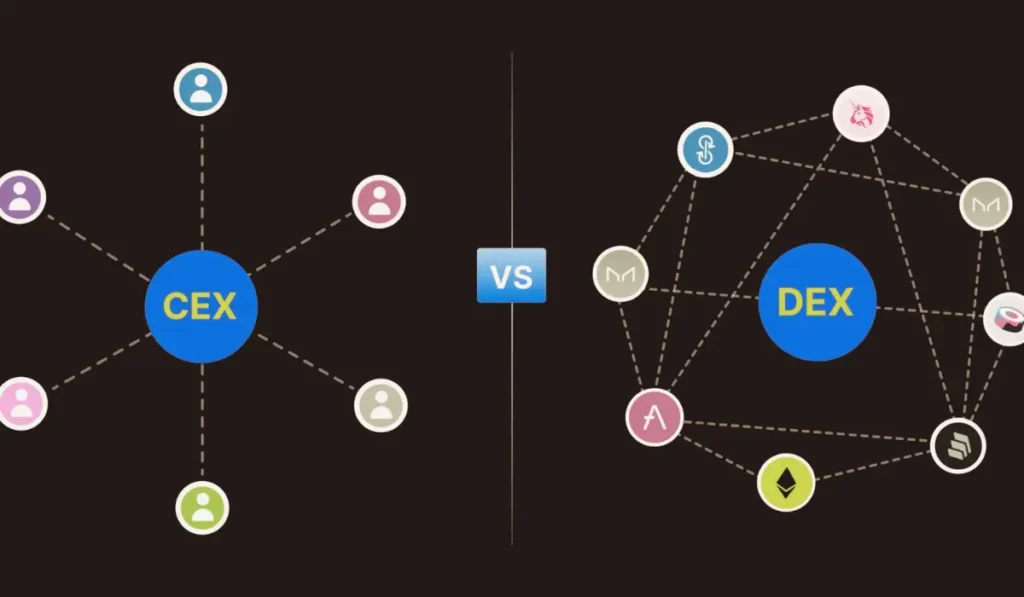

Today, cryptocurrency and blockchain are the most discussed technologies in the digital world. These have transformed the way people engage with global financial markets. Though this is the case, many people still have no clarity about cryptocurrency and how blockchain works. This guide explains what these aspects are so that more people can use them to earn significant returns. So, get started right away!
What is Cryptocurrency?
Cryptocurrency is a digital currency that functions on a decentralized network powered by blockchain technology, removing the need for central institutions like governments or banks. It operates as an investment asset or medium of exchange, and utilizes cryptography for security. Some major examples include Bitcoin, Litecoin, Ethereum, and Stablecoins.
Cryptocurrencies are widely used to buy products and services, send money online, trade or invest, store digital value, and transfer money internationally. This asset is completely digital and stored in online wallets.
How Does Cryptocurrency Work?
Cryptocurrency works systematically through a network of computers connects across the globe. These computers verify deposits and withdrawals and store them securely using blockchain technology. When a person sends cryptocurrency, some steps are involved. These include:
- A transaction request is generated
- Computers on the network check them
- After verification, the transaction is added to a blockchain
- The receiver gets the funds
This removes the interference of central authorities like banks or payment companies in processing the transactions. Since this asset is decentralized, users have control over their money. At the same time, it also suggests that users are responsible for protecting their wallets and passwords.
What is Blockchain and How Does It Work?
Blockchain is the technology that manages cryptocurrency transactions. It is a digital ledger that stores transactions in a safe and transparent way. It stores data across many computers worldwide. Once this process happens, it cannot be altered or deleted easily.
A block is where each group of transactions is stored. These blocks are connected in chronological order to form a chain. This is how it got the name, blockchain.
The working principle of this technology is quite simple. When a person sends a crypto asset, the blockchain will verify that they have enough of the asset. Then, it confirms that the transaction is legit. Once this is done, the transaction is recorded and stored permanently. The blockchain will then update the balance.
Once the verification is successful, it becomes part of a new block that is connected to the blockchain. Since each participant on the network has a copy of the blockchain, it won’t be easy for hackers to commit fraud.
Core Features of Blockchain Technology
The following are the core features of blockchain technology:
-
Decentralized in nature
Since blockchain spreads data across multiple computers across the globe, no single authority has control over the transactions. So, users have more control over their funds.
-
Transparency
Each blockchain transaction is publicly recorded, indicating that anyone on the network can view it.
-
Security
This technology prioritizes the security of data and transactions. It uses cryptography for this purpose.
-
Immutability
Once a transaction is recorded in a block that is added to the blockchain, it cannot be easily altered or deleted.
-
Faster transactions
Cryptocurrency transactions can be completed within a few minutes as no central authorities are involved in the process.
Advantages and Disadvantages of Cryptocurrency
In this section, let us look at the pros and cons of cryptocurrency:
Pros
- Complete control over funds
- Increased privacy
- Faster transactions
- Lower transaction fees
- Access for the unbanked population
Cons
- Volatile nature of crypto assets
- Limited regulation
- Security issues
- Irreversible transactions
Real-World Uses of Blockchain
Though blockchain is related to cryptocurrency, it is not limited to this asset. Many industries are studying blockchain applications in other areas. These include:
- Digital identity verification
- Online voting systems
- Supply chain tracking
- Healthcare records
- Banking and finance
- Smart contracts
Giants like IBM and Microsoft are investing huge amounts in blockchain solutions.
The Future of Cryptocurrency and Blockchain
Cryptocurrency and blockchain technologies are growing rapidly. They have already entered various institutions across the globe, with governments, investors, and businesses exploring how these technologies can transform digital ownership, security, and payments.
It is believed that just as the internet levelled up communication, blockchain and cryptocurrency can bring major transformations in the world. That being said, the future of crypto adoption will be based on regulations and security enhancements.
Conclusion
Cryptocurrency is a digital or virtual currency that operates on blockchain technology. It eliminates the need for central authorities by recording transactions on a secure, decentralized system. While cryptocurrency offers multiple opportunities, it involves several risks as well. It is important to understand concepts like blockchain, wallets, mining, and decentralization to make wise decisions in the rapidly evolving online world. As technology grows, cryptocurrency and blockchain are sure to gain more space and control.