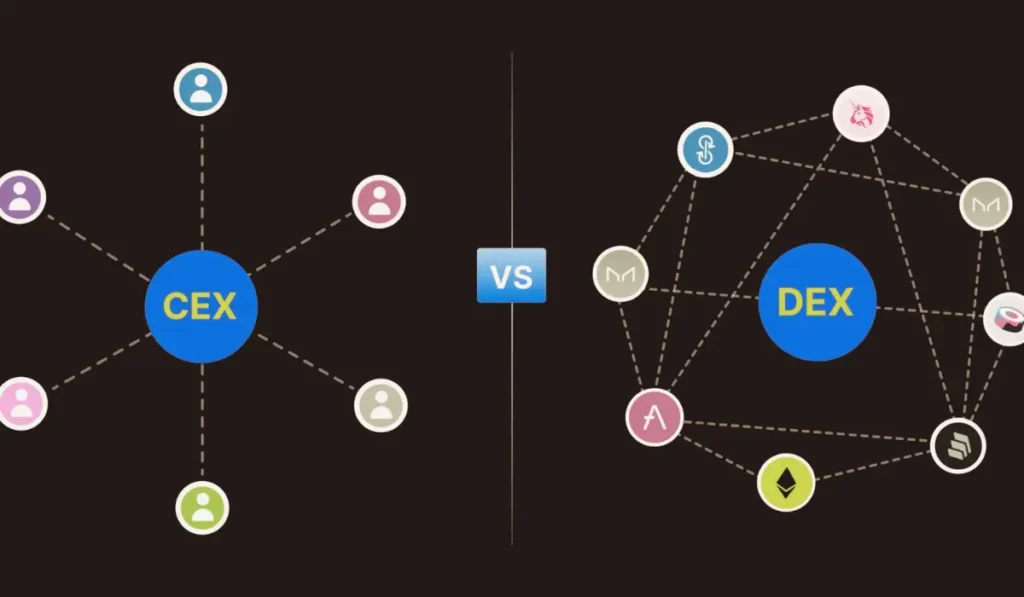

Blockchain technology has developed significantly in the last several years, but traditionaal blockchain networks face many challenges. High fees, slow transactions, and network congestion make trading difficult, especially during periods of high market activity. As decentralized finance (DeFi) and digital asset trading continue to grow, traders and investors expect faster and more reliable blockchain performance.
This is where the relevance of modular blockchain design comes in. When compared to traditional blockchain networks, modular networks separate different blockchain tasks into different layers. One of the notable changes is separating consensus from execution. This method allows networks to process transactions more efficiently without compromising security and decentralization.
In this article, we will delve into the details of modular blockchain design and why it develops more trader-friendly blockchain networks.
Understanding Traditional Blockchain Architecture
For clearly understanding modular blockchain design, it is important to know how traditional blockchains work. In a monolithic blockchain, a single network carries out all major tasks, such as processing transactions, executing smart contracts, validating transactions, reaching consensus, and storing blockchain data.
Since all these tasks occur within the same blockchain, the network often becomes overloaded when transaction demand increases. This results in slower confirmation times and higher transaction fees. For users, this can lead to delayed orders, failed transactions, and reduced profitability.
What is Modular Blockchain Design?
A modular blockchain design is one where major blockchain functions are separated into various independent layers. This is why one network does not have to handle every task. Different layers specialize in specific responsibilities. Common layers include:
- Consensus layer- This layer confirms the order of transactions and secures the network.
- Execution layer- It processes smart contracts and executes transactions.
- Data availability layer- This layer makes sure that transaction data remains accessible.
- Settlement layer- It finalizes transactions and resolves disputes.
By assigning each task to specific layers, modular blockchains boost overall efficiency and scalability.
Separating Consensus from Execution
Modular blockchains separate consensus from execution.
The Consensus Layer
This layer determines which transactions are valid and decides their order. Its major functions include maintaining network security, preventing double-spending, validating blocks, and coordinating validators. So, this layer focuses on securing the blockchain.
The Execution Layer
This layer performs the computational task. Its roles include running smart contracts, executing decentralized applications (dApps), processing transactions, and calculating state changes. Since the execution layer doesn’t have to manage network-wide consensus, it can process transactions more efficiently.
Why Is It Important for Traders?
Speed and reliability are crucial while trading digital assets. Separating consensus from execution offers several advantages that boost trading performance.
Faster transaction processing
Since the executing layer doesn’t have to manage consensus, it processes transactions more efficiently. This lowers delays and supports faster transactions even during periods of high market activity.
Lower transaction costs
Due to network congestion, gas fees often increase on traditional blockchains. Since modular designs distribute the workload across different layers, they reduce congestion and increase efficiency. Lower congestion results in lower transaction fees, making trading more affordable.
Improved scalability
Traditional blockchains have limited processing capability because every validator carries out every task. Modular design ensures that execution layers scale independently.
Better Network Reliability
Separating tasks also improves network reliability. If there is heavy demand in one execution layer, the consensus layer continues working smoothly. This helps reduce entire network slowdowns and reduces the impact of localized issues.
Supporting Multiple Trading Applications
Modular blockchain networks support multiple trading applications. So, developers can build specialized trading environments without compromising overall network security.
Easier Network Upgrades
In a modular network, individual layers can be upgraded independently. The execution layer can get performance upgrades, the consensus layer can enhance validator efficiency, and data availability solutions can increase storage capacity.
Enhanced Security Through Specialization
In many cases, separating consensus from execution enhances security. Since each layer focuses on its specific functions, system complexity is reduced, security is not compromised, and developers can improve each component independently.
Challenges of Modular Design
Some challenges of modular design include:
- Coordinating communication between different layers
- Handling interoperability between networks
- Maintaining compatibility with existing applications
- Reducing latency between consensus and execution
The Future of Trader-Friendly Blockchain Networks
Modular blockchain designs are gaining popularity because they allow networks to scale without compromising decentralization or security. For traders, this indicates lower transaction fees, faster trade execution, greater scalability, better network reliability, and improved user experience.
Conclusion
One of the most significant developments in modern blockchain architecture is separating consensus from execution. Modular blockchain designs improve scalability, reduce congestion, lower transaction fees, and promote a smooth trading experience by distributing workloads across multiple layers.
They separate consensus from execution and allow different layers to operate independently. This innovative approach supports blockchain networks to cater to increasing demand while maintaining performance. In this way, modular designs contribute to trader-friendly networks.