

by Leon Ashcombe
Share
by Leon Ashcombe
Share
One of the best tools to improve your trading experience is a trading journal. Whether you trade crypto, stocks, forex, or options, maintaining a detailed journal helps you monitor mistakes, spot patterns, and develop discipline over time.
Keeping a trading journal helps you analyze every trade clearly and make informed decisions. In this article, we will get into the details of a trading journal, including what it is, why it is important, what to include in a journal, the template to follow, the best tools, and tips for maintaining a successful trading journal.
What is a Trading Journal?
This is a record of all your trades and trading activities. It consists of information, such as position size, entry and exit points, market conditions, trading strategies, profit or loss, and emotional state during the trade.
A trading journal functions as a performance tracker for your trading journey. Experienced traders use journals to examine strategies and enhance their decision-making process.
Why a Trading Journal is Important?
There are several benefits of keeping a trading journal.
Improve Discipline
A trading journal makes you follow rules instead of making emotional decisions. By documenting every trader, you can easily spot impulsive trading.
Identify Patterns
Once you start using a trading journal, you will start noticing patterns in winning and losing trades. For example, you might see that trades made during high volatility perform better than those made during slow market sessions.
Track Emotional Decisions
By recording your emotions, you can easily track how psychology affects your trading decisions.
Strategy Optimization
By checking previous trades, you can spot the strategies that work best and those that require improvement.
What to Include in a Trading Journal?
Your trading journal should contain all necessary data, and it should be easy to read. The following are the main sections to include:
1. Trade Date and Time
Note down when the trade was opened and closed. This helps identify the market sessions that performed well.
Example:
- Date: May 27, 2026
- Entry Time: 11:30 AM
- Exit Time: 1:00 PM
2. Asset or Market
Write down what you traded.
Example:
- EUR/USD
- Apple stock (AAPL)
- Bitcoin (BTC)
- S&P 500 futures
3. Trade Direction
Mention whether the trade was long or short. This will help you analyze whether you performed well in bullish or bearish markets.
4. Entry and Exit Price
Record your exact trade levels.
Example:
- Entry: $180.50
- Exit: $185.20
This data helps examine accuracy and performance.
5. Position Size
Write down how much capital or how many contracts/shares were used in the trade.
Example:
- 2 lots
- 100 shares
- $500 position size
6. Stop Loss and Take Profit
Risk management is crucial in trading. So, your journal should include:
- Stop-loss level
- Risk-to-reward ratio
- Profit target
This helps understand if your trade setup follows proper risk management measures.
7. Trading Strategy Used
Note down the strategy or setup that triggered the trade.
Examples:
- Moving average crossover
- Breakout strategy
- Support and resistance bounce
- Scalping setup
With time, you will understand which strategy supports the highest success rate.
8. Trade Outcome
Write down the result of the trade.
Example:
- Profit: +$250
- Loss: -$100
- Risk-to-reward achieved: 1:2
9. Emotional Notes
Record how you felt before, during, and after the trade.
Example:
- Felt confident after strong market confirmation
- Entered too early due to fear of missing out
- Exited too soon because of anxiety and fear of loss
Awareness of your emotional decisions can significantly boost trading performance.
Simple Trading Journal Template
| Date | Asset | Buy/Sell | Entry Price | Exit Price | Position Size | Stop Loss | Take Profit | Strategy | Profit/Loss | Notes |
| 27/05/2026 | BTC/USD | Buy | 68000 | 69200 | 0.1 BTC | 67500 | 69500 | Breakout | +$120 | Best setup, followed the plan |
Best Tools for a Trading Journal
You can maintain your trading journal in various ways.
- Excel or Google Sheet
- Notion
- Dedicated Trading Journal Software
Major options include:
- Edgewonk
- TraderSync
- Tradervue
Tips for Maintaining a Successful Trading Journal
- Be consistent in recording your trading and trading activities
- Review your journal every week.
- Include charts and screenshots to analyze trade setups visually.
- Focus on the process, not just gains.
Final Thoughts
A trading journal is actually a performance tracker that can level up your trading game. You can quickly become a disciplined and profitable trader. You can track your performance, strategies, emotions, and more, identify your weak points, and boost your overall performance.
The best traders continuously analyze and improve their approach. A well-kept trading journal can help you remain accountable, lower emotional trading, and make wise decisions.
Start trading with a small amount, stay consistent, and review your journal regularly. With time, you will get invaluable insights that will help improve your confidence and trading results.
STAY IN THE LOOP
Subscribe to our free newsletter.
Leave A Comment
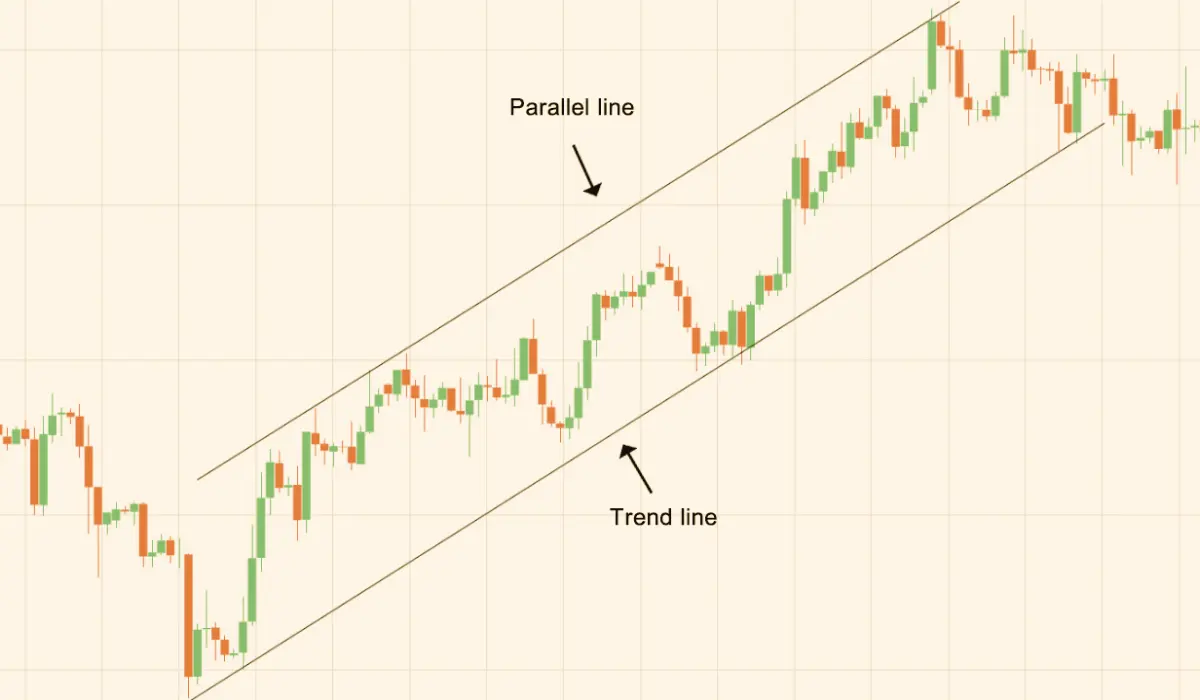
In technical analysis for trading, trend lines and channels are two important aspects. Traders use them to gain clarity about market direction, spot potential entry and exit points, and identify price patterns early. While trading crypto, forex, stocks, or other assets, learning how to draw trend lines and channels can greatly improve your chart reading
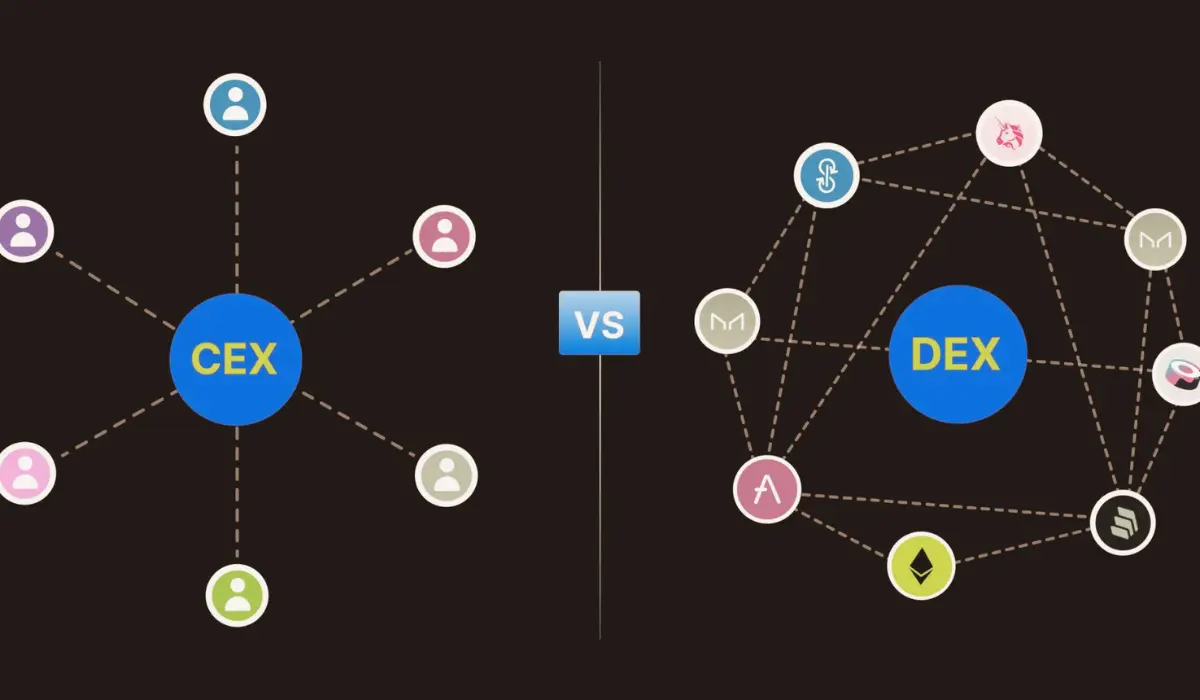
In the past several years, the crypto market has grown rapidly, and crypto exchanges have gained prominence in buying, selling, and trading digital assets. There are two major exchanges in this landscape: Centralized Exchanges (CEXs) and Decentralized Exchanges (DEXs). While both support cryptocurrency trading, their workings are completely different. This guide explores what these exchanges

The digital finance landscape has witnessed major transformations with the entry of cryptocurrency. It has introduced thousands of digital assets to investors, everyday users, and businesses. That being said, many still use the terms ‘coin’ and ‘token’ interchangeably, even though their functions are different in the blockchain ecosystem. Understanding the difference between the two is

The crypto market is growing rapidly, with the need for the right exchange becoming extremely important. Whether you are a DeFi expert, a futures trader, or a beginner, the platform you select can impact your trading experience, security, fees, and profits. The top exchanges in the market today are Binance, Bybit, and Hyperliquid, for various