The crypto market is growing rapidly, with the need for the right exchange becoming extremely important. Whether you are a DeFi expert, a futures trader, or a beginner, the platform you select can impact your trading experience, security, fees, and profits.
The top exchanges in the market today are Binance, Bybit, and Hyperliquid, for various reasons. Binance leads the global crypto market, Bybit is the best in derivatives trading, and Hyperliquid is grabbing attention for its decentralized model and fast-growing ecosystem. So, which exchange is good for you? In this guide, we compare these top exchanges across important areas, such as trading fees, liquidity and trading volume, security, and user experience.
What is Binance?
Binance is currently the largest crypto exchange in the world by trading volume. Introduced into the trading scene in 2017, it supports futures, spot trading, staking, NFTs, launchpads, copy trading, and all major cryptocurrencies.
This platform is well-known for its huge liquidity, beginner-friendly design, and wide range of products. It is suitable for both retail and institutional traders. Here are some key features of Binance:
- Futures and spot trading
- Over 350+ cryptocurrencies
- Low trading fees
- Advanced charting tools
- Passive income tools
- Mobile and desktop apps
- Global liquidity
For an all-in-crypto ecosystem, Binance is the perfect choice.
What is Bybit?
Started as a derivatives exchange, Bybit quickly gained prominence in the trading world for leveraged trading. Then, it expanded its services to earn products, spot trading, and Web3 services.
The platform’s smooth interface, responsive trading engine, and competitive futures trading ecosystem are the reasons why many traders and investors prefer it. Some core features of Bybit are listed below:
- Competitive futures trading
- Fast order execution
- High leverage options
- Copy trading
- Beginner-friendly interface
- Automation and trading bots
Active traders and scalpers prefer the Bybit platform.
What is Hyperliquid?
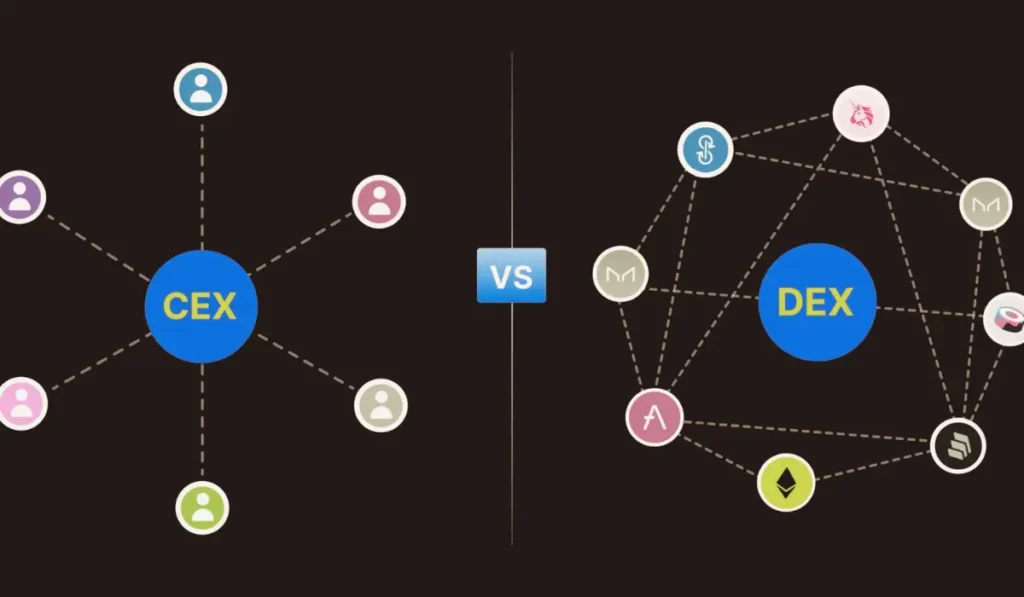
Hyperliquid is a decentralized perpetual exchange focusing on futures trading, developed on its own Layer-1 blockchain. In comparison to centralized exchanges, this platform allows traders to trade directly from self-custody wallets without depending on intermediaries.
Its high liquidity, quick order execution, and transparent on-chain trading system are the major reasons why it is gaining popularity in the trading world. Important features of Hyperliquid are given here:
- Fully decentralized
- On-chain transparency
- Self-custody trading
- No KYC for many traders
- Fast perpetual futures trading
- Community-powered ecosystem
This platform is best for traders who value decentralization and privacy.
Binance vs Bybit vs Hyperliquid: Trading Fees
Before choosing an exchange, one of the main aspects that traders consider is the trading fee.
Binance Fees
This platform offers the lowest fees. Spot trading begins at 0.1%, future fees are highly competitive, and extra discounts are available using BNB.
Bybit Fees
Bybit’s fee structure is also worth mentioning. The maker and taker fees are competitive, high-volume traders have to pay lower fees, and attractive VIP programs are available.
Hyperliquid Fees
This platform has a decentralized fee structure. Perpetual trading fee is low, the platform charges zero deposit or withdrawal fees, and gas costs depend on the blockchain activity.
Binance is ideal for regular spot traders, while Bybit and Hyperliquid are best for advanced futures traders.
Liquidity and Trading Volume
Trade execution and slippage depend on liquidity, which is why it is important.
Binance
This platform leads the market in liquidity. It is suitable for retail and institutional traders because it processes large orders smoothly.
Bybit
Bybit also offers high liquidity, especially in futures markets, such as ETH and BTC perpetual contracts.
Hyperliquid
Through its growing user base and market maker participation, Hyperliquid has significantly increased its liquidity. That being said, it trails Binance in overall market depth.
Security Comparison
Binance
It has a strong security infrastructure with cold wallet storage, two-factor authentication, and other options.
Bybit
Bybit provides multisignature wallets, risk management tools, and more.
Hyperliquid
Since it’s decentralized, users have custody of their funds.
User Experience and Interface
Binance
Due to the availability of many features, users might get overwhelmed in the beginning.
Bybit
It has a clean and intuitive trading interface. So, it is easier to navigate in comparison to Binance.
Hyperliquid
This platform ensures a modern, decentralized experience.
Which Exchange is Best for Beginners?
- Binance is ideal for learning and exploring different crypto services.
- Bybit is suitable for those interested in futures trading.
- Hyperliquid is best for experienced DeFi users.
Most novice traders select Binance because of its educational content and vast ecosystem.
Final Verdict
So, it is evident that the best platform for each trader depends on their trading style and skill level. Binance is the best all-around platform with the largest crypto ecosystem, Bybit is best for derivative trading, and Hyperliquid represents the evolving decentralized trading platforms. While choosing any of these platforms, make sure to check your region’s regulations, the security measures followed, and your risk tolerance level.