

by Leon Ashcombe
Share
by Leon Ashcombe
Share
Professional traders are well aware that protecting funds is more important than chasing profits. Many traders enter trading due to market trends or excitement, but experienced traders calculate how much they can lose before thinking about gains. This is where the risk-reward ratio becomes significant.
Risk-reward ratio is a strategy that helps traders understand whether a trade makes sense. It compares the amount of money at risk with the potential return from the trade. This method helps users minimize poor setups, manage losses better, and boost consistency over time.
In this guide, we will explain the risk-reward ratio in detail, how it works, why traders use this method, the popular risk-reward ratios, examples in real life, how to choose the right risk-reward ratio, and common mistakes to avoid.
Understanding Risk-Reward Ratio
The risk-reward ratio calculates the relationship between potential loss and potential profit in a trade. In simple terms,
- Risk is the amount you could lose if a trade goes against you
- Reward is the amount you could gain if the trade is successful
Before starting a trade, traders decide where they will exit when the market moves against them and where they will take profit if the market is in their favor. It is the difference between these levels that decides the ratio.
For example, if a trader risks $50 to earn $150, the ratio is 1:3. This indicates that the possible reward is three times the possible loss.
How the Risk-Reward Formula Works?
The formula to calculate the risk-reward ratio is simple.
Risk-Reward Ratio = Potential Risk ÷ Expected Reward
The lower the potential risk compared to the expected reward, the more in your favor the trade is.
Example
Suppose a trader buys a stock at $100
- Stop-loss: $95
- Profit target: $115
Here:
- Risk = $5
- Reward = $15
Calculation:
5 ÷ 15 = 1:3
So, the trader risks $5 to gain $15 potentially.
Why Traders Use Risk-Reward Ratios?
The risk-reward ratio is important in trading because it promotes structure and discipline. So, traders follow a proper strategy instead of making emotional decisions.
Control losses
The right risk-reward ratio helps prevent a small loss from becoming a major one.
Consistent trading
Following the same risk management method helps traders gain consistency over time.
No emotional decision-making
When entry, exit, and stop-loss levels are already set, traders can remain calm during market fluctuations.
Enhances long-term results
Even if a strong risk-reward ratio helps make a small win, it can still lead to overall profitability.
Popular Risk-Reward Ratios in Trading
The ratios for different trading strategies are different depending on factors like market conditions and trading goals.
1:1 Ratio
This indicates that the potential profit equals the potential loss.
Example:
Risk – $100
Reward – $100
Such a setup requires a high success rate to remain profitable.
1:2 Ratio
This is one of the most commonly used ratios among traders.
Example:
Risk – $100
Reward – $200
As you can see, the reward is double the risk.
1:3 Ratio
This is an attractive ratio because one successful trade can cover several losing trades.
Example:
Risk – $100
Reward – $300
This setup is used by swing traders.
Examples of Risk-Reward Ratios
Stock Market
Imagine a trader buys shares at $40.
- Stop-loss at $37
- Profit target at $49
Calculations:
- Risk – 3
- Reward – 9
Ratio:
3÷9 = 1:3
This indicates that the trader risks $3 to potentially gain $9.
Forex Trading
A forex trader enters GBP/USD at 1.2500.
- Stop-loss: 1.2450
- Take-profit: 1.2600
Calculations:
- Risk = 50 pips
- Reward = 100 pips
Ratio:
50÷100 = 1:2
The traders can earn twice the reward compared to the risk.
Cryptocurrency
A trader buys Ethereum at $3,000.
- Stop-loss: $2,850
- Profit target: $3,450
Calculations:
- Risk = $150
- Reward = $450
Ratio:
150÷450 = 1:3
This setup ensures a balance between risk and reward.
Choosing the Right Risk-Reward Ratio for Your Strategy
The risk-reward ratio for traders depends on various factors, such as trading style, market conditions, and risk tolerance levels.
Day Traders
They use smaller targets because trades occur quickly. Ratios like 1:1 or 1:1.5 are common.
Swing Traders
They hold positions longer and aim for larger profits. Ratios like 1:2 or 1:3 are popular.
Conservative Traders
Such traders prefer lower risk exposure and only enter trades with high reward potential.
Conclusion
The risk-reward ratio is important in trading and investing. It helps users calculate opportunities logically rather than emotionally. By comparing potential loss with potential profit, traders can make wise decisions and protect investments for the long term. It ensures consistency in trading. For anyone serious about trading, learning how to calculate and use the risk-reward ratio is extremely important.
STAY IN THE LOOP
Subscribe to our free newsletter.
Leave A Comment
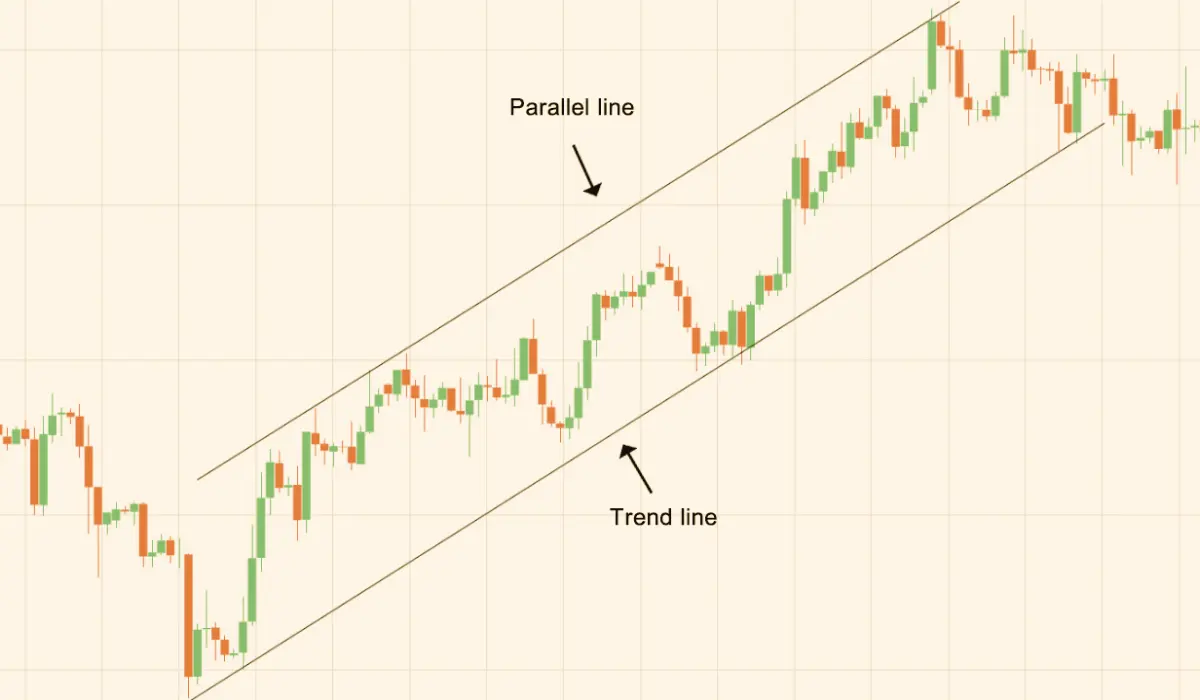
In technical analysis for trading, trend lines and channels are two important aspects. Traders use them to gain clarity about market direction, spot potential entry and exit points, and identify price patterns early. While trading crypto, forex, stocks, or other assets, learning how to draw trend lines and channels can greatly improve your chart reading
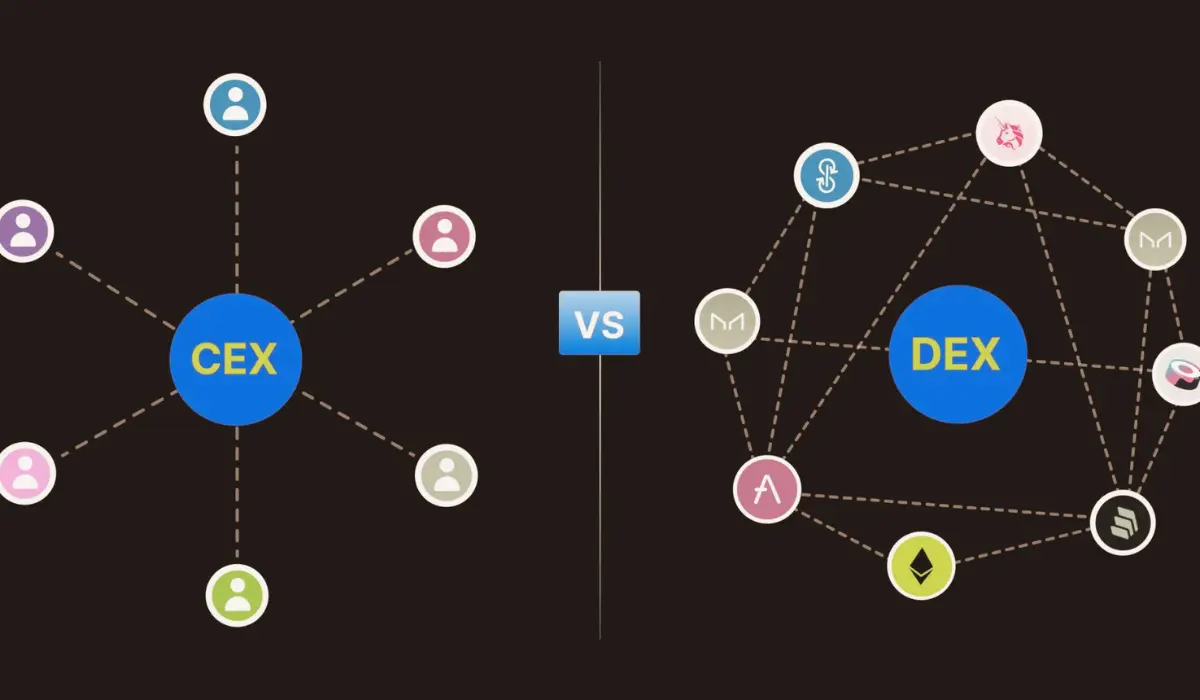
In the past several years, the crypto market has grown rapidly, and crypto exchanges have gained prominence in buying, selling, and trading digital assets. There are two major exchanges in this landscape: Centralized Exchanges (CEXs) and Decentralized Exchanges (DEXs). While both support cryptocurrency trading, their workings are completely different. This guide explores what these exchanges

The digital finance landscape has witnessed major transformations with the entry of cryptocurrency. It has introduced thousands of digital assets to investors, everyday users, and businesses. That being said, many still use the terms ‘coin’ and ‘token’ interchangeably, even though their functions are different in the blockchain ecosystem. Understanding the difference between the two is
The crypto market is growing rapidly, with the need for the right exchange becoming extremely important. Whether you are a DeFi expert, a futures trader, or a beginner, the platform you select can impact your trading experience, security, fees, and profits. The top exchanges in the market today are Binance, Bybit, and Hyperliquid, for various