
by Leon Ashcombe
Share
by Leon Ashcombe
Share
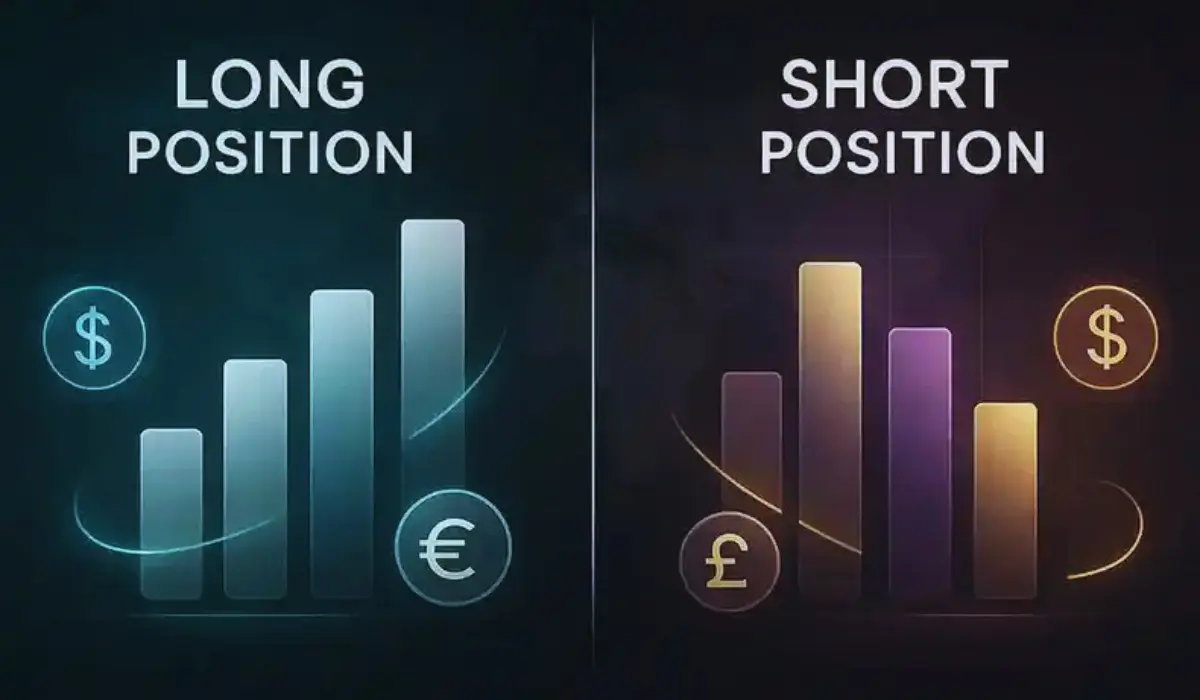
In case you are new to the trading world, you might have heard the terms ‘long position’ and ‘short position’. These are among the most important concepts in trading and investing, and understanding them will help you make wise decisions. A long position implies buying an asset with the hope that its price will rise, while a short position means gaining profits from a price decline. These strategies are widely used in stocks, crypto, and forex trading. In this guide, you will learn the details of these strategies, the differences between the two, how they work, and which is better.
What is a Long Position?
A long position is a strategy where traders buy an asset with the expectation that its price will rise in the future. This is one of the most common types of investing. When people buy the shares of a company with the hope that their price will increase, they are taking a long position.
Here is an example of a long position:
You buy a stock at $50 per share.
- In case the price rises to $70, you make a profit of $20 per share.
- In case the price falls to $40, you lose $10 per share.
The purpose of a long position is to buy low and sell high.
This method is commonly used in crypto trading, stock trading, commodity trading, forex markets, mutual funds, and ETFs. Traders often use long positions because markets usually rise over time.
What is a Short Position?
A short position or short selling is where traders bet that the price of an asset will decrease. Here, instead of buying low and selling high, users borrow an asset, sell it at the current market price, buy it back later at a lower price, and return the borrowed asset. So, profit is made from the price difference.
Here is an example of a short position:
You expect the price of a stock to fall, so you short-sell it.
- You sell the borrowed stock at $100
- Later, the price falls to $70
- You buy it back for $70
You gain a profit of $30 per share. That being said, if the stock rises to $130, you lose $30 per share. The purpose of shorting selling is selling high and buying low.
Main Differences Between Long and Short Positions
Let us look at the main differences between long and short positions.
| Feature | Long Position | Short Position |
| Market Expectation | Price will rise | Price will fall |
| Strategy | Buy first, sell later | Sell first, buy later |
| Profit Potential | Unlimited | Limited |
| Risk | Limited | Unlimited |
| Common Among | Investors | Active traders |
Long positions are best for beginners, while short positions are better for experienced traders.
How Long Positions Work?
The way a long position strategy works is simple.
- Buy an asset
- Hold the asset
- Wait for the price to rise
- Sell for a profit
The advantages of this method include:
- Simple for beginners to understand
- Lower risk compared to a short position
- Ideal for long-term investing
- Performs well in growing markets
The negatives of a long position include:
- Asset prices may decrease
- Market crashes can lower portfolio value
- Patience is necessary during volatility
How Short Positions Work?
This method is more complex because traders borrow assets before selling them.
- Borrow shares
- Sell the shares immediately
- Wait for the price to decrease
- Buy back the shares
- Return them to the broker
The advantages of a short position include:
- Make profits from falling markets
- Helpful during economic downturns
- Can hedge current investments
The negatives of a short position include:
- Higher risk because losses can be unlimited
This is why short selling is better for experienced traders.
When Should You Use a Long Position?
You can use a long position in the following cases:
- The market is bullish
- Economic conditions are favorable
- A company has strong fundamentals
- You are seeking long-term growth
This strategy is best for new traders, as it is simple and less risky.
When Should You Use a Short Position?
In the following cases, you can use a short position:
- The market is bearish
- A stock seems overvalued
- A company is affected by negative news
- Traders expect short-term declines
Since it is riskier, beginners should use short positions carefully.
Which is Better: Long or Short Position?
Well, this depends on various factors like market conditions, risk tolerance levels, investment goals, and trading experience. Long positions are safer for beginners, while short positions are ideal for advanced traders with in-depth market knowledge and risk management. Well, professionals use both methods depending on market direction.
Final Thoughts
Long position and short position are important strategies in trading and investing. A long position is where a trader buys an asset with the expectation that its price will rise in the future, while a short position, or short selling, is where users benefit from falling prices.
Long positions are beginner-friendly and safer, while short positions are riskier and suitable for experienced traders. Before using any of these strategies, it is crucial to understand market trends, manage risks carefully, and invest an amount that you can afford to lose.
STAY IN THE LOOP
Subscribe to our free newsletter.
Leave A Comment
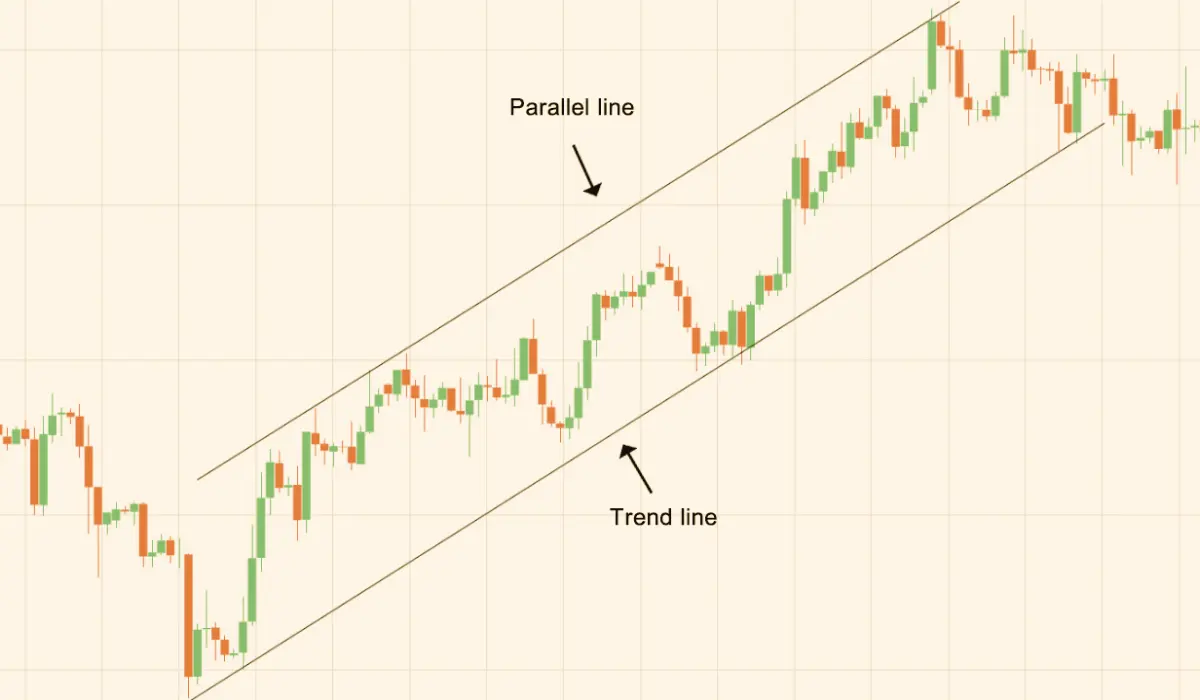
In technical analysis for trading, trend lines and channels are two important aspects. Traders use them to gain clarity about market direction, spot potential entry and exit points, and identify price patterns early. While trading crypto, forex, stocks, or other assets, learning how to draw trend lines and channels can greatly improve your chart reading
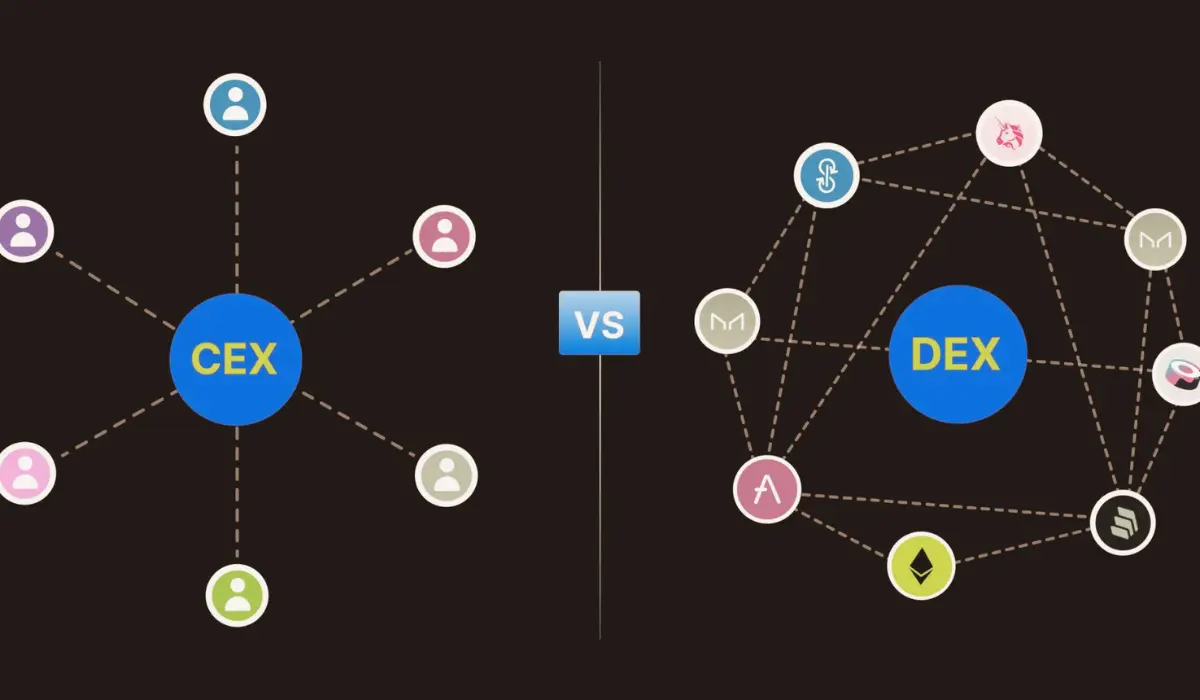
In the past several years, the crypto market has grown rapidly, and crypto exchanges have gained prominence in buying, selling, and trading digital assets. There are two major exchanges in this landscape: Centralized Exchanges (CEXs) and Decentralized Exchanges (DEXs). While both support cryptocurrency trading, their workings are completely different. This guide explores what these exchanges

The digital finance landscape has witnessed major transformations with the entry of cryptocurrency. It has introduced thousands of digital assets to investors, everyday users, and businesses. That being said, many still use the terms ‘coin’ and ‘token’ interchangeably, even though their functions are different in the blockchain ecosystem. Understanding the difference between the two is
The crypto market is growing rapidly, with the need for the right exchange becoming extremely important. Whether you are a DeFi expert, a futures trader, or a beginner, the platform you select can impact your trading experience, security, fees, and profits. The top exchanges in the market today are Binance, Bybit, and Hyperliquid, for various