
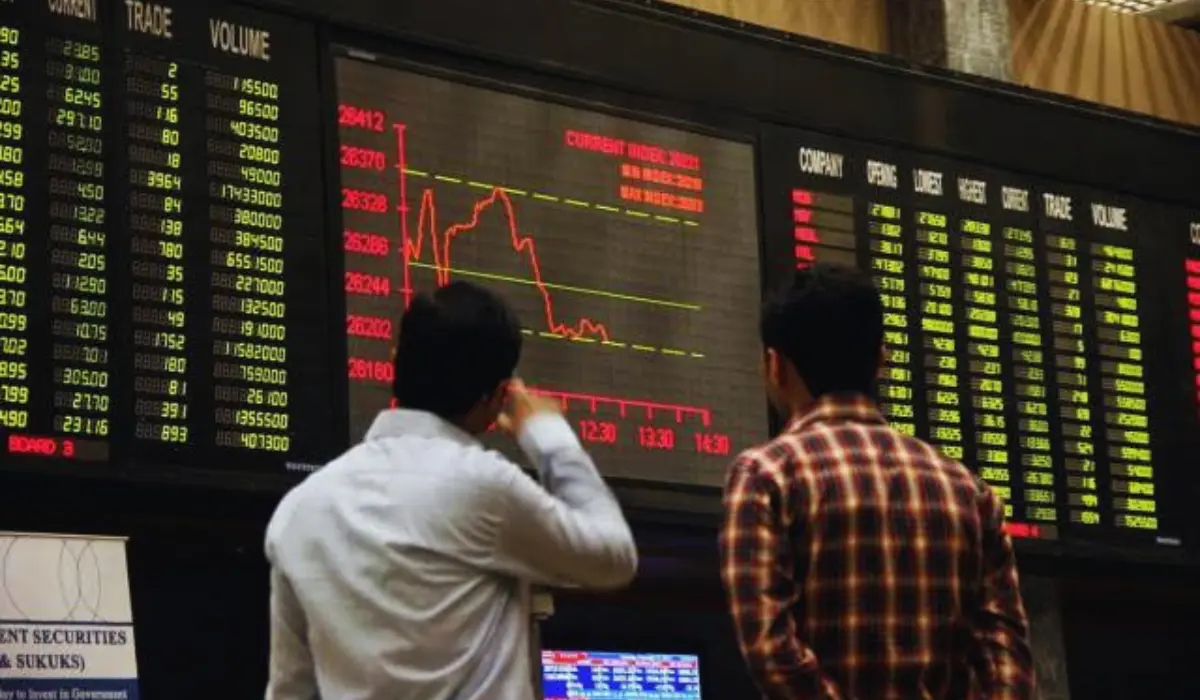
Volatility is an important aspect in trading that refers to the variation in a financial asset’s price over time. Whether you are trading cryptocurrencies, stocks, forex, commodities, or indices, it can help you make better decisions and manage risks effectively. Markets with major price swings are highly volatile, and those with smaller movements are considered less volatile.
When it comes to trading, volatility creates both opportunities and risks. Knowing how to spot and react to market changes can boost overall trading performance. In this guide, we will go through all the crucial aspects of volatility.
What is Volatility in Trading?
In simple terms, volatility is the rate at which the price of a financial asset increases or decreases over time. It is expressed in percentage and points to the uncertainty or risk in the market.
To be more specific, if a stock moves from $100 to $120 and then drops to $95 within a few days, it is going through high volatility. At the same time, if the stock trades between $100 and $103 over the same period, it is less volatile.
Volatility measures the speed and magnitude of price changes, whether prices are increasing or decreasing.
Types of Volatility
There are mainly two types of volatility.
Historical Volatility
It calculates how much the price of an asset fluctuated in the past. It is measured using previous price data. Historical volatility helps understand how the asset has performed and behaved over time.
Implied Volatility
It refers to the market’s expectations of future price movements. Implied volatility is mostly used in options trading and is derived from option prices.
Higher implied volatility means that traders expect major price swings in the future, while lower implied volatility reflects calmer market conditions.
What Causes Market Volatility?
Several factors affect volatility. Understanding these helps traders anticipate profitable price movements.
Economic News and Data Releases
Sharp market reactions occur due to major economic reports such as inflation data, GDP growth, employment figures, and interest rate decisions. These events are closely observed by traders because they can quickly change market sentiment.
Corporate Earnings Reports
Quarterly earnings announcements significantly impact share prices. High earnings drive prices higher, while weak earnings can result in rapid declines.
Geopolitical Events
Government policy changes, trade disputes, political unrest, and international conflicts can cause uncertainty and increase volatility across different asset classes.
Market Sentiment
Financial markets are heavily influenced by emotions like fear and greed. When traders become overly optimistic or pessimistic, the price swings become larger and more frequent.
Why is Volatility Important for Traders?
Volatility is important because it directly impacts trading opportunities, strategy selection, and risk levels.
Creates Trading Opportunities
Price movement is necessary for gaining profits. When there is no volatility, markets remain flat, and traders find it difficult to capitalize on price changes.
Affects Risk Management
Just as volatility increases profit opportunities, it increases risk. Larger price swings can trigger stop-loss orders, result in unexpected losses, or lead to emotional decision-making.
Influences Trading Strategies
Different strategies perform better in different volatility conditions. Day traders prefer high volatility because it offers short-term opportunities. Swing traders benefit from volatility by capturing large market moves. Long-term investors prefer low volatility because it helps lower portfolio fluctuations.
Having clarity about volatility helps traders build strategies that align with current market conditions.
Common Indicators to Measure Volatility
Traders use various indicators to calculate volatility.
- Bollinger Bands – The wider the band, the more volatility increases, and the narrower the band, the volatility decreases.
- Average True Range (ATR) – It calculates the average range between high and low prices over a specific period. A high ATR indicates large market volatility.
- Volatility Index (VIX) – The VIX, or fear index, measures expected volatility in stock markets. Rising VIX suggests increased uncertainty among traders and investors.
How Traders Can Use Volatility Effectively?
Here are the different ways in which traders can use volatility effectively:
- Adjust position sizes
- Set appropriate stop-loss levels
- Stop overtrading
- Monitor market conditions regularly
Benefits and Risks of Volatility
The following are the positives and negatives of market volatility for traders and investors.
Benefits
- Better trading opportunities
- Potential for huge profits
- Increased market activity
- Better opportunities for short-term traders
Risks
- Larger potential losses
- High emotional pressure
- High chance of unexpected price moves
- Higher likelihood of stop-loss triggers
Conclusion
Volatility is a fundamental aspect of financial markets and should be clear to every trader and investor. It measures the speed and magnitude of price movements and impacts everything from trading opportunities to risk management decisions. While higher volatility offers better trading opportunities, it introduces traders to higher risks. Understanding how volatility works can help adjust strategies accordingly and make better decisions. They can also protect their capital and increase their chances of long-term success in global financial markets.
As the cryptocurrency market is evolving rapidly, altcoins are offering more short-term gains than Bitcoin. Right now, most investors are closely monitoring top-performing altcoins on a weekly and monthly basis to spot emerging trends and profitable investment opportunities. Factors like technological advancements, ecosystem growth, institutional adoption, and broader market sentiment cause significant price movements in

Though trading offers several profitable opportunities, it involves risk. Most traders look for the right strategy, market setup, or indicator while ignoring the most important aspect, risk management. In reality, the reason behind the success of experienced traders is effective risk management, not winning every trade. Risk management helps protect capital, eliminate emotional decision-making, and
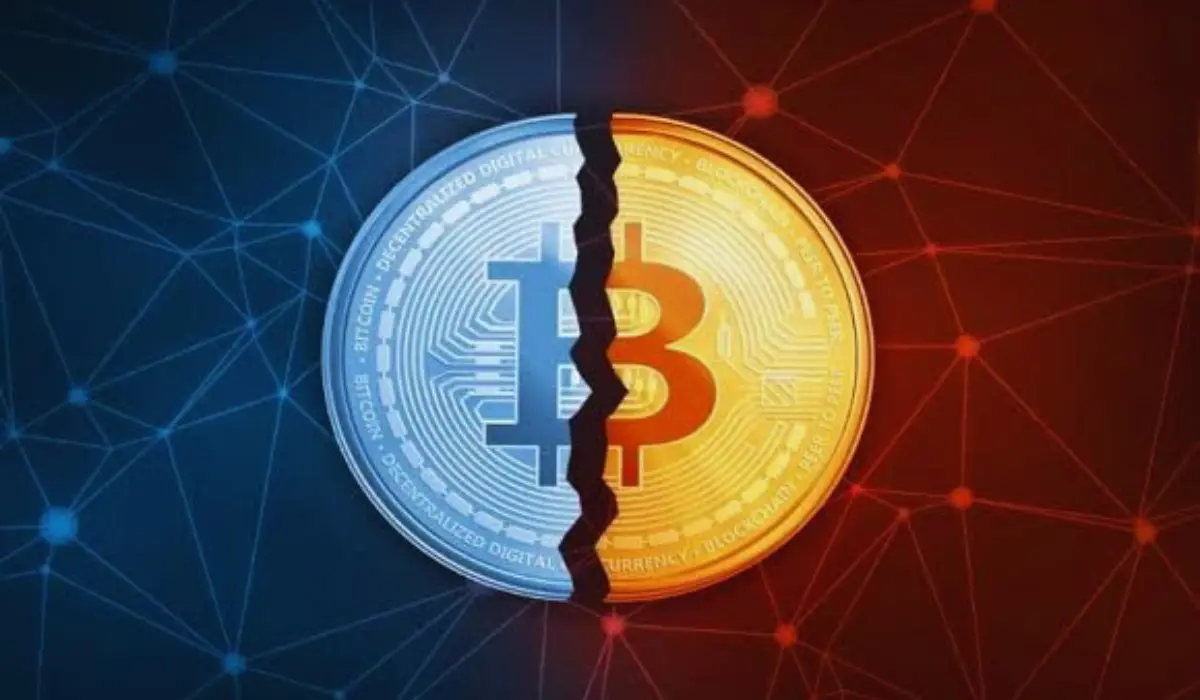
Bitcoin is the first decentralized and most popular cryptocurrencyin the world. Since its launch, it has gained the attention of businesses, investors, and technology enthusiasts across the globe. Bitcoin halving is one of the most crucial events in the Bitcoin ecosystem. It has a major role in managing Bitcoin’s supply and can influence its value
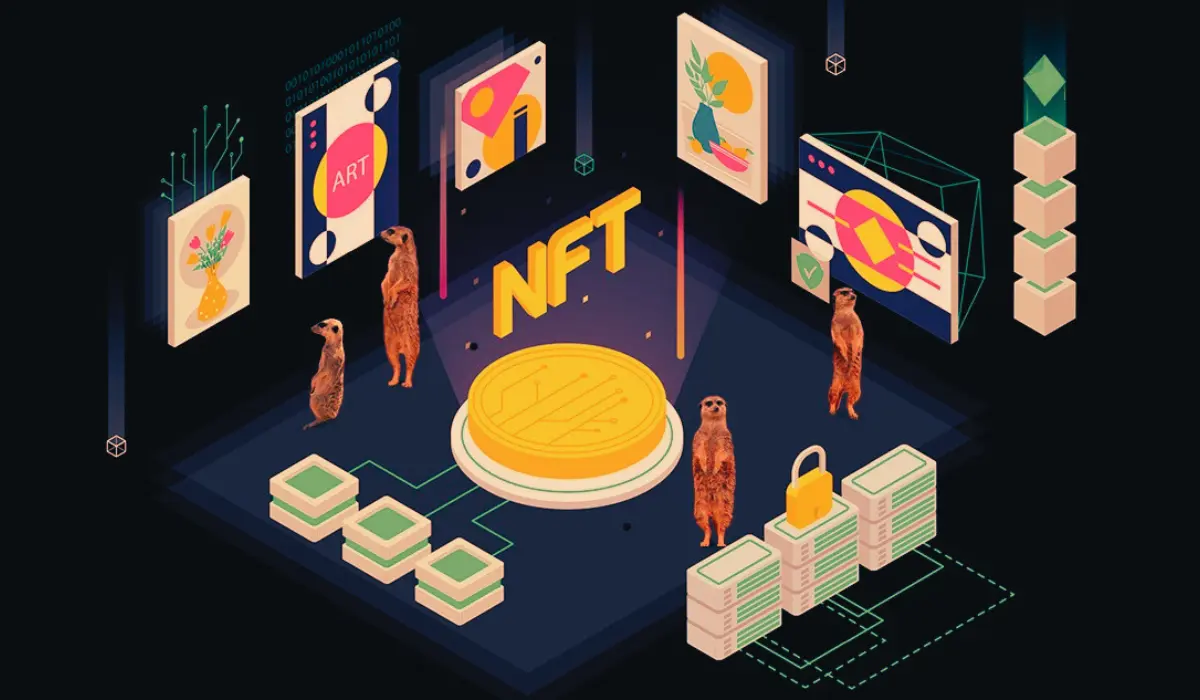
The NFT marketplace keeps evolving, offering several opportunities to collectors, investors, and creators. Non-Fungible Tokens (NFTs) have expanded to different areas, such as gaming, real estate, music, memberships, and tokenized assets. With the industry growing rapidly, it is important to choose the right marketplace and deploy effective trading strategies to achieve success. This guide will