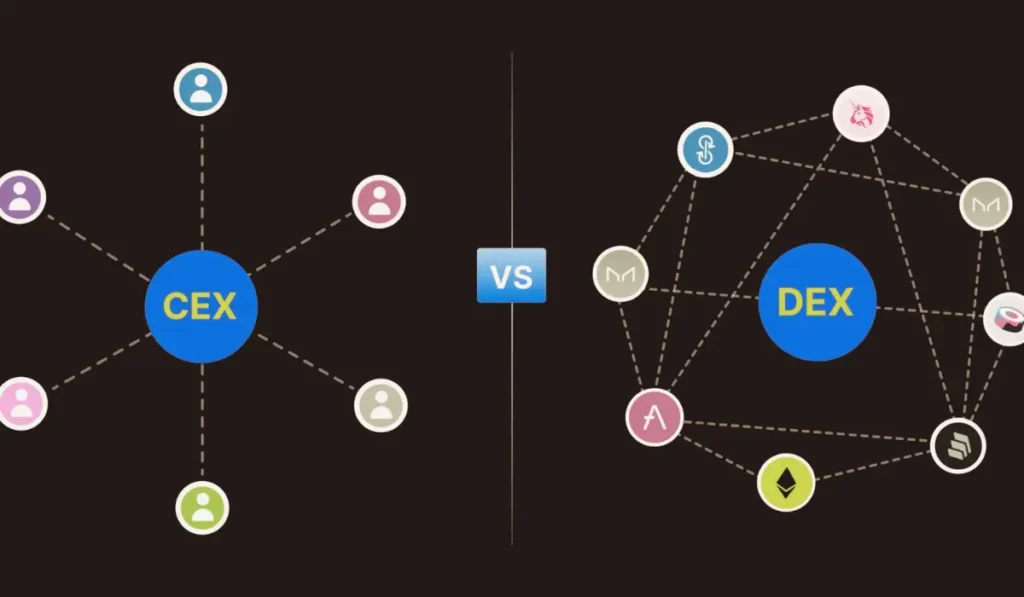

Financial markets are gaining popularity day by day. More people are engaging with the stock market, cryptocurrencies, commodities, and other financial instruments to grow their wealth. The two major ways to participate in global financial markets are trading and investing. Though these are often used interchangeably, they are quite different in terms of time, strategy, risk, goals, and period.
For anyone who wants to enter the vast financial world, understanding both trading and investing is crucial. This article delves into the basics of trading and investing, and the differences between the two.
What is Trading?
The regular buying and selling of financial instruments due to short-term price fluctuations is called trading. Users make profits by utilizing market ups and downs. The major assets traded include:
- Cryptocurrencies
- Stocks
- Commodities like gold and oil
- Bonds
- Forex (currencies)
What happens in trading is buying an asset at a lower price and selling it at a higher price within a short period. At times, traders also sell first and wait for the price to fall to buy assets. The duration of a trade can be a few minutes, several hours, a few days, or a few weeks.
Traders use technical analysis to examine market trends, charts, news, and price fluctuations to make informed decisions.
Types of Trading
Depending on how long a trader keeps an asset, there are various types of trading. These include:
Day Trading
Traders buy and sell assets on the same day to earn small profits from daily price movements.
Swing Trading
In this, traders hold assets for several days or weeks. The focus is on earning profits from short-term market trends.
Scalping
In this type of trading, traders execute trades within minutes or even seconds. The aim is to earn small profits from each trade.
Position Trading
These traders hold assets for weeks or months, focusing on larger market trends.
Advantages and Risks of Trading
Advantages
- Instant profit opportunities
- Flexible buying and selling
- Chance to make profits in rising and falling markets
- Active involvement in trading
Risks
- Market volatility is high
- Quick losses
- Emotional stress and pressure
- Constant monitoring
- Requires strong market knowledge
- A disciplined approach is a must
What is Investing?
This is all about investing in an asset for a longer period to earn profits gradually. The core of this concept is that the value of assets grows in the future. The assets bought include mutual funds, stocks, bonds, ETFs (Exchange-traded funds), and real estate.
The focus is not on daily price movements, but on long-term growth and company performance. That is, if a person buys an asset owned by a company and holds it for 10 years in the hope that it will grow, it is investing. What matters in this is patience and long-term planning.
Types of Investing
The following are the different types of investing:
1. Stock Investing
Stock investing is where you buy the shares of a company in the hope that their value will grow over time.
2. Mutual Fund Investing
This is where you invest capital in professionally managed funds that consist of various assets.
3. Real Estate Investing
Real estate investing is buying property to get long-term appreciation or rental income.
4. Retirement Investing
This contains retirement accounts or pension plans that users can enroll in to save money for retirement.
Advantages and Risks of Investing
Advantages
- Long-term earnings
- Less stress
- Compound growth benefits
- Lower transaction costs
- Less time needed for monitoring
Risks
- Unexpected economic events
- Market downturns
- Poor investment choices
- Inflation risk
Difference Between Trading and Investing
| Basics | Trading | Investing |
| Time | Short-term | Long-term |
| Goal | Quick profits | Wealth creation |
| Risk | High | Moderate |
| Focus | Price fluctuations | Business growth |
| Analysis Used | Technical | Fundamental |
| Frequency | Frequent buying and selling | Occasional buying |
| Stress Level | High | Low |
| Capital Growth | Fast but risky | Slow but stable |
| Monitoring | Constant | Less frequent |
Which is Better, Trading or Investing?
This depends on various factors like a trader’s financial goals, risk tolerance levels, knowledge, and time availability.
Trading is best suited for those who have time to study markets daily, enjoy quick decision-making, can manage high risks, and have experience and discipline. Investment is for those focusing on long-term financial growth, who prefer lower stress, have less time to monitor markets, and believe in patience and steady returns. Experts believe that investment is ideal for beginners as risk is low and handling is simple.
Can Users Perform Both?
Yes. Some people perform both trading and investing. They save some money for trading while some for investing. This helps balance risk and earn huge amounts.
Important Tips for Beginners
Whether you opt for trading or investing, follow these tips:
- Gain knowledge before putting money into the market
- Begin with small amounts
- Do not invest money that you cannot lose
- Avoid emotional decision-making
- Practice portfolio diversification
- Maintain patience and discipline
- Keep enhancing your financial knowledge
Final Thoughts
Trading and investing are two different ways to engage with global financial markets. While trading focuses on short-term profits, investing is about wealth creation over the long term. Trading can offer quick returns, but it is risky, while investing is generally safe. Before selecting any of these, it is crucial to have clarity about your goals, knowledge level, and risk tolerance. By continuously learning and maintaining discipline, both trading and investing can help earn significant profits.