People often think that trading is about charts, indicators, and market analysis. However, the real aspect that decides a successful trade is psychology. Even professional traders can struggle with emotions like greed, fear, and panic. These emotions lead to impulsive decisions, unwanted risks, and massive financial losses.
This is why it is important to know the psychology of trading. It helps regulate your emotions and make wise trading decisions. Today, we will be discussing the importance of trading psychology, emotions that affect traders, and best practices to gain discipline.
Why is Trading Psychology Important?
A common belief most traders have is that successful trading depends on strategy. Well, the fact is that emotional control is equally important. Since markets are dynamic, even the best strategies can fail. When emotions override logic, it leads to:
- Entering trades too early or too late
- Holding losing positions for too long
- Exiting profitable trades too soon
- Taking excessive risks after losing
- Ignoring trading plans
A healthy trading psychology helps remain consistent and follow the set strategy irrespective of market conditions.
Common Emotions that Affect Traders
Fear
It is one of the most powerful emotions in trading. Investors fear making mistakes, losing money, or missing opportunities. Some signs of fear include avoiding potential opportunities, closing trades too soon, or hesitating to follow a proper trading plan. Basically, traders become overly cautious and do not reach their full potential.
Greed
When the focus is too much on earning profits, traders become greedy. As a result, users often ignore risk management. Some examples include increasing position sizes unnecessarily, holding trades for too long, and entering low-quality trades for additional profits. It can quickly turn profitable trades into losses.
Overconfidence
Some traders become overconfident after a few successful trades. They think that they cannot make mistakes and start taking too many risks. It leads to utilizing excessive leverage, neglecting trading rules, and trading without proper evaluation.
Frustration and Revenge Trading
Even though losses are normal in trading, some traders become too emotional after losses. They take impulsive trades to cover up the losses. This is called revenge trading, which can lead to poor decisions and huge losses.
The Importance of a Trading Plan
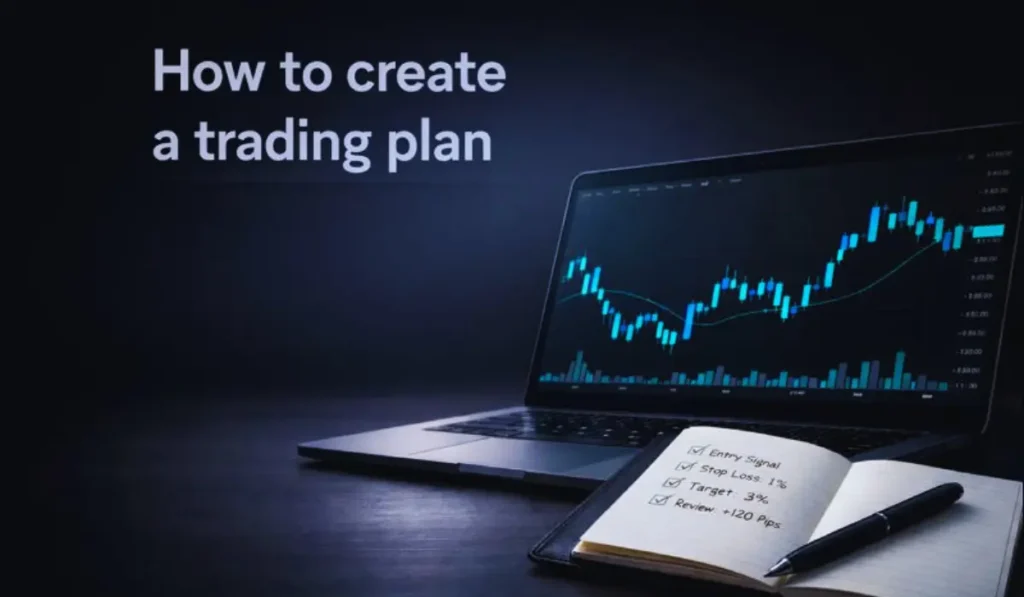
A trading plan helps traders remain focused and make informed decisions. It minimizes emotional responses by offering clear entry and exit rules. A well-organized trading plan consists of entry rules, exit criteria, position sizing guidelines, risk management rules, and daily or weekly trading goals. This also helps in gaining consistency over time.
Risk Management to Reduce Stress
Proper risk management helps traders remain calm and focused in all market conditions. It can be done by investing only a small percentage that you can afford to lose, utilizing stop losses, diversifying your portfolio, and avoiding excessive leverage. Due to these, traders do not panic during sudden market fluctuations.
Develop Emotional Discipline
It is the ability to stick to a trading plan regardless of market conditions. You can build discipline by following rules consistently, accepting losses, and focusing on the process rather than profits.
Keep a Trading Journal
A trading journal can be used to record entry and exit points, reasons for entering the trade, emotional state before and after the trade, and knowledge gained from the experience. This helps spot emotional patterns and mistakes and improve the decision-making process.
Practice Patience
Patience is important for trading success. Traders lose money because they trade too often, chase price movements, and force trades when there are actually no opportunities. Waiting for good setups can boost performance and lower emotional stress.
Maintain a Healthy Lifestyle
Physical and mental well-being play a major role in trading performance. You can improve emotional control by getting enough sleep, exercising regularly, eating healthily, taking necessary breaks from screens, and practicing relaxation techniques. This helps you handle market pressure and uncertainty efficiently.
Avoid Emotional Triggers
It is important to control emotional reactions. These include trading after a major loss, monitoring every market movement, comparing trading results with others, and trading when stressed or tired.
Build a Long-Term Mindset
Most traders focus on short-term results and make mistakes. Professional traders are well aware that success is measured over hundreds of trades, not just one. A long-term mindset helps stay calm during losses, avoiding impulsive decisions, maintaining consistency, and improving confidence in the strategy.
Conclusion
The secret to long-term success is having knowledge about trading psychology. Emotions like fear, greed, overconfidence, and frustration can lead to poor decisions and losses. Traders can improve emotional control by managing risks effectively, following a proper trading plan, practicing discipline, and developing a long-term perspective.
Successful trading is not about eliminating emotions, but regulating them and not letting them influence decision-making. By understanding trading psychology, traders can make rational decisions, stay consistent, and boost overall performance.